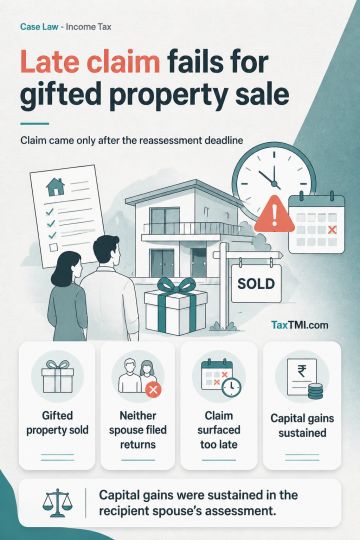
Clubbing of income from gifted property failed where the claim surfaced after reassessment limitation, sustaining capital-gains assessment in spouse's...
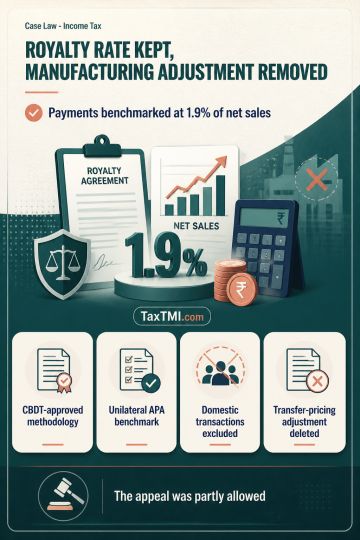
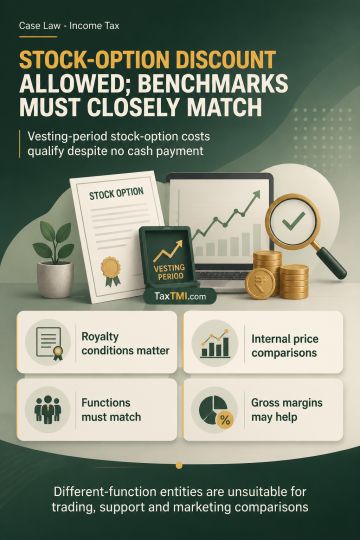
Employee stock-option discount qualifies as revenue expenditure, while royalty and service comparables require reliable functional and transactional b...
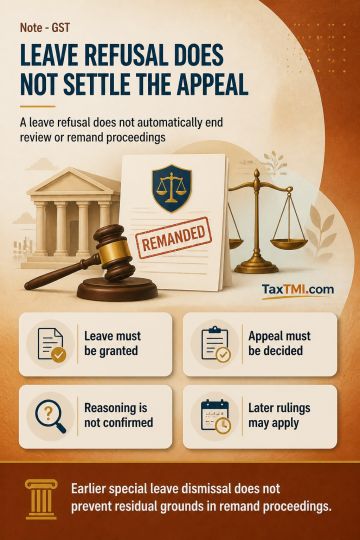
Doctrine of merger under Article 136 depends on whether the Supreme Court granted leave and exercised appellate jurisdiction, not merely on disposal of a special leave petition. A non-speaking refusal of leave neither merges the challenged order nor confirms its reasoning, creates automatic res judicata, or independently bars review or writ proceedings. A speaking refusal likewise does not cause merger, although legal propositions expressly declared may bind under Article 141. Merger follows when leave is granted and the appeal is decided. In remanded GST proceedings, an earlier dismissal of special leave therefore does not prevent consideration of residual grounds or reliance on a later binding ruling, subject to applicable review, limitation, and procedural requirements.
Doctrine of merger under Article 136 depends on whether the Supreme Court granted leave and exercised appellate jurisdiction, not merely on disposal of a special leave petition. A non-speaking refusal of leave neither merges the challenged order nor confirms its reasoning, creates automatic res judicata, or independently bars review or writ proceedings. A speaking refusal likewise does not cause merger, although legal propositions expressly declared may bind under Article 141. Merger follows when leave is granted and the appeal is decided. In remanded GST proceedings, an earlier dismissal of special leave therefore does not prevent consideration of residual grounds or reliance on a later binding ruling, subject to applicable review, limitation, and procedural requirements.
Note: It is a system-generated summary and is for quick reference only.
 TaxTMI
  TaxTMI
 of 4899