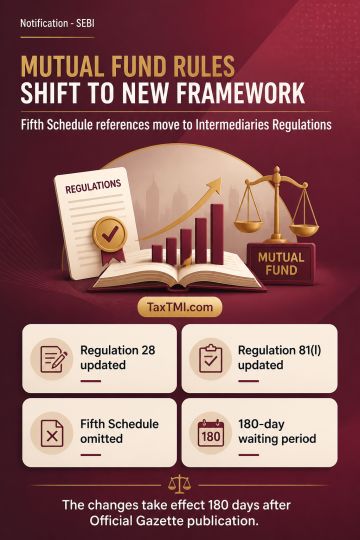
Call-recording requirements for institutional-investor client communications become non-mandatory, while institutional-investor status adopts the exis...
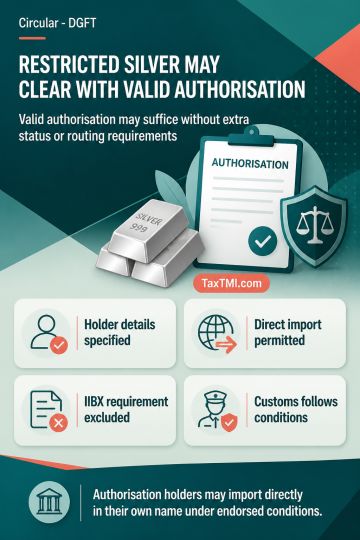
Restricted silver imports may clear under a valid import authorisation without additional status or exchange-routing requirements unless expressly imp...
Head Office cost allocation requires prescribed transfer-pricing methods; treaty ceilings bar surcharge and cess, while duplicate taxation is excluded...
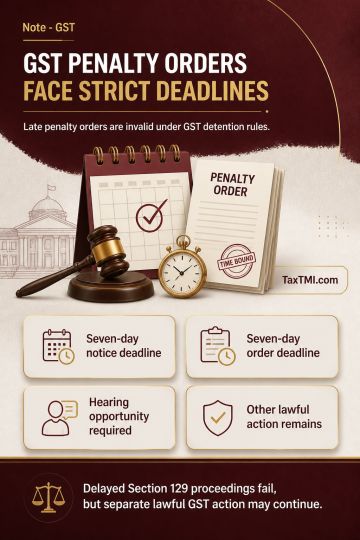
Section 129(3) of the CGST Act imposes separate mandatory deadlines: the penalty notice must be issued within seven days of detention or seizure, and the penalty order must follow within seven days after service of that notice. The latter period runs from service, not from a reply, valuation exercise or other intervening event. Because detention and seizure are coercive restraints on goods and conveyances, administrative difficulty, minimal delay and inspection-stage timelines cannot extend either deadline; a delayed Section 129 order is invalid. The affected person must receive an opportunity of hearing. Invalidity of Section 129 proceedings does not preclude separately lawful action under other GST provisions.
Section 129(3) of the CGST Act imposes separate mandatory deadlines: the penalty notice must be issued within seven days of detention or seizure, and the penalty order must follow within seven days after service of that notice. The latter period runs from service, not from a reply, valuation exercise or other intervening event. Because detention and seizure are coercive restraints on goods and conveyances, administrative difficulty, minimal delay and inspection-stage timelines cannot extend either deadline; a delayed Section 129 order is invalid. The affected person must receive an opportunity of hearing. Invalidity of Section 129 proceedings does not preclude separately lawful action under other GST provisions.
Note: It is a system-generated summary and is for quick reference only.
 TaxTMI
  TaxTMI