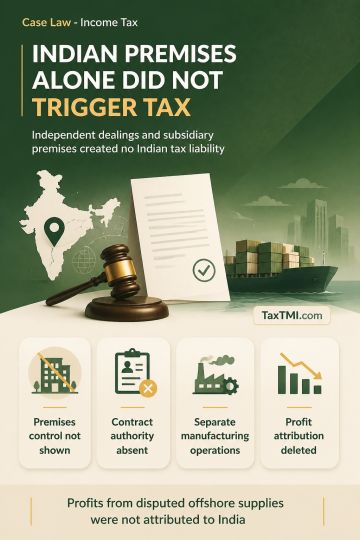
Permanent establishment tests: independent subsidiary premises and principal-to-principal dealings did not create Indian taxability for offshore suppl...
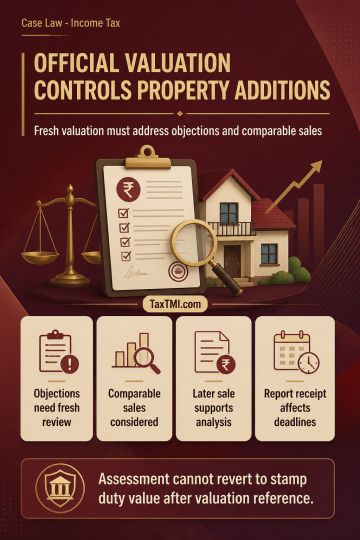
Valuation Officer estimates govern property-value additions once statutory valuation is invoked, requiring fresh consideration of objections and compa...
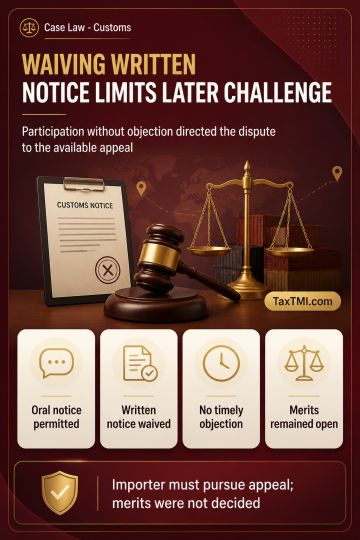
Waiver of written show-cause notice may prevent a later procedural challenge after participation in customs adjudication, preserving statutory appella...
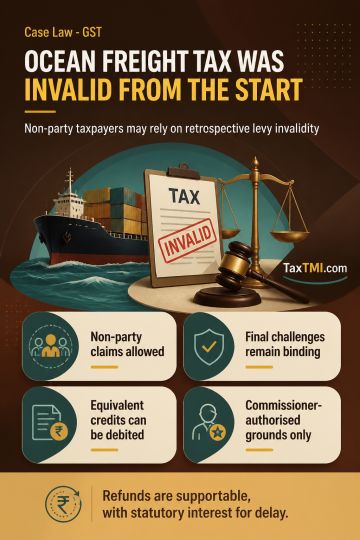
Retrospective invalidity of ocean-freight IGST supports refunds despite non-party status and prior credit utilisation, subject to authorised appeal gr...
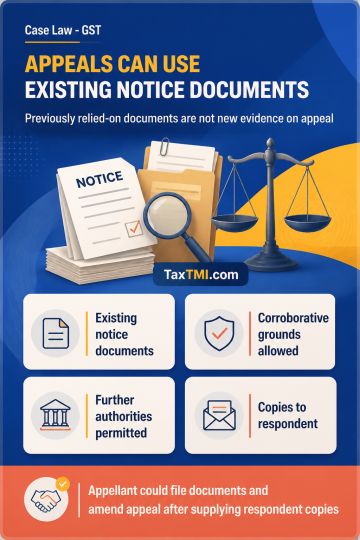
Additional evidence in departmental appeals may include show-cause-notice material without introducing a new case where it merely corroborates existin...
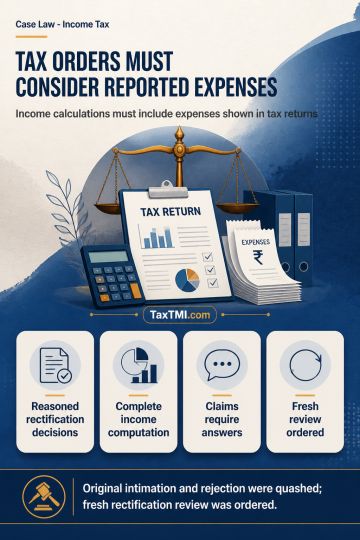
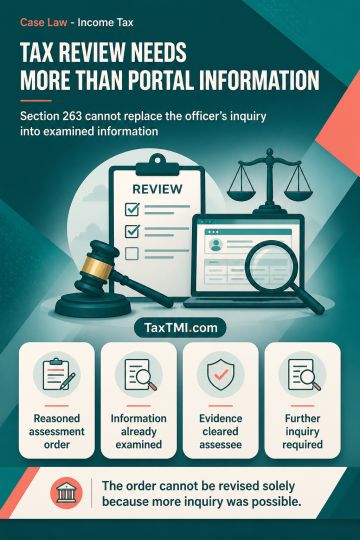
Reasoned rectification orders require consideration of expenditure disclosed in income-tax returns, preventing revision based on incomplete income com...
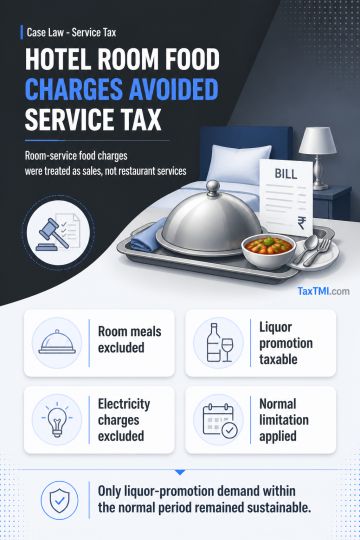
Separately billed room-service food and beverages supplied in hotel rooms were treated as sales rather than restaurant services because hotel rooms were not restaurant premises and no evidence linked the charges to room-service value; the related service-tax demand was set aside. Exclusive liquor-brand listing, displays and branded accessories constituted taxable promotional or sponsorship service, leaving that demand sustainable only within the normal limitation period. Actual electricity charges recovered from tenants on sub-meter readings and remitted to suppliers were not consideration for renting, so the demand was set aside. Extended limitation required deliberate evasion, not mere non-declaration; the surviving demand was restricted to the normal period.
Separately billed room-service food and beverages supplied in hotel rooms were treated as sales rather than restaurant services because hotel rooms were not restaurant premises and no evidence linked the charges to room-service value; the related service-tax demand was set aside. Exclusive liquor-brand listing, displays and branded accessories constituted taxable promotional or sponsorship service, leaving that demand sustainable only within the normal limitation period. Actual electricity charges recovered from tenants on sub-meter readings and remitted to suppliers were not consideration for renting, so the demand was set aside. Extended limitation required deliberate evasion, not mere non-declaration; the surviving demand was restricted to the normal period.
Note: It is a system-generated summary and is for quick reference only.
 TaxTMI
  TaxTMI
 of 4901