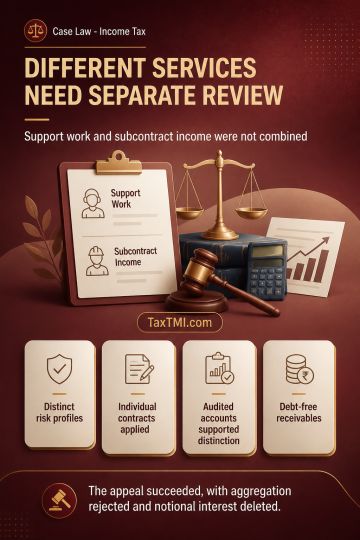
Transfer-pricing aggregation of distinct support-service and subcontract transactions was rejected, while debt-free receivables attracted no notional ...
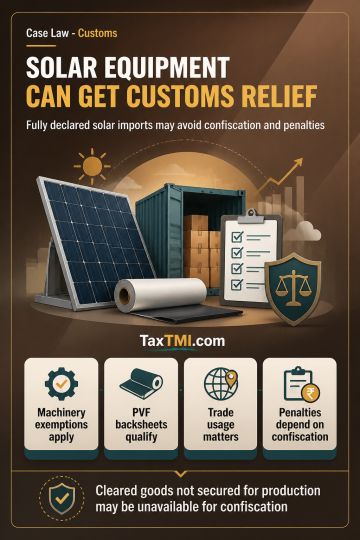
Customs exemptions cover photovoltaic assembly machinery and PVF backsheets, while fully declared cleared imports may avoid confiscation and penalties...
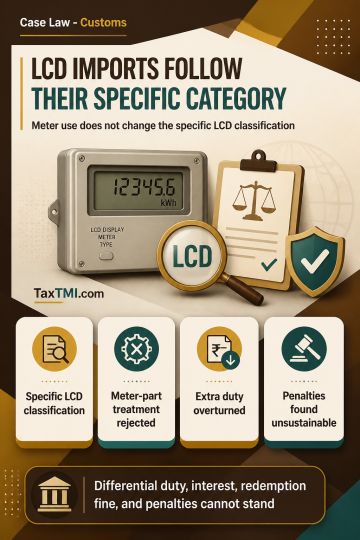
Specific tariff classification for LCD devices overrides treatment as electricity-meter parts, defeating differential duty, extended limitation, and p...
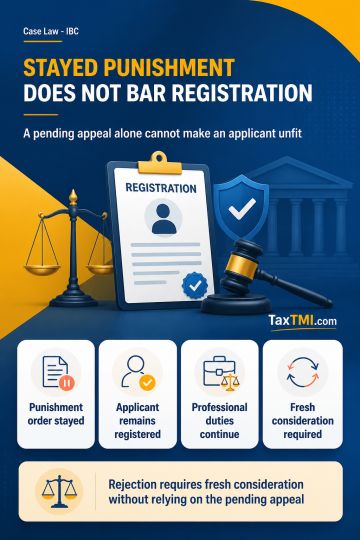
Stayed disciplinary punishment does not establish unfitness for insolvency professional registration; reconsideration must disregard mere pendency of ...
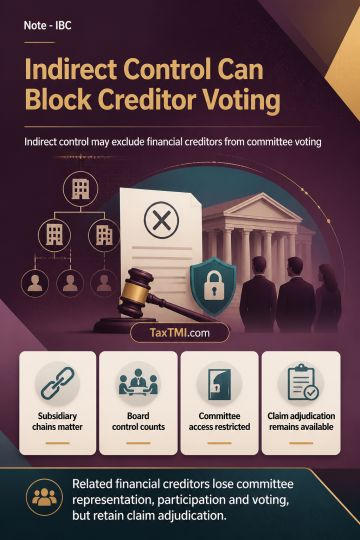
Indirect corporate control can create related-party status, excluding financial creditors from Committee of Creditors representation, participation an...
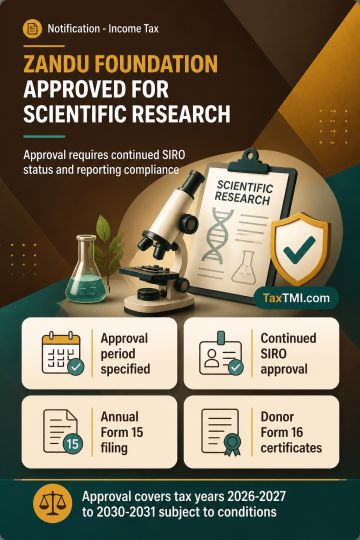
Scientific research association approval requires continuing SIRO status, annual donation reporting, and donor certificates for the approved foundatio...
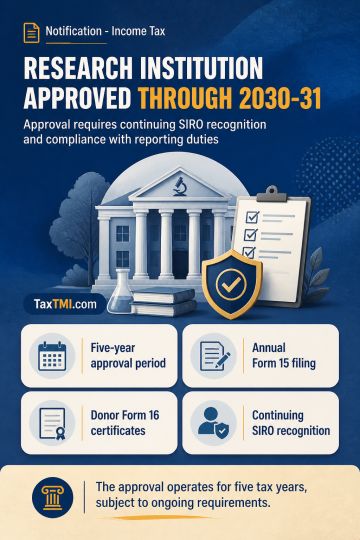
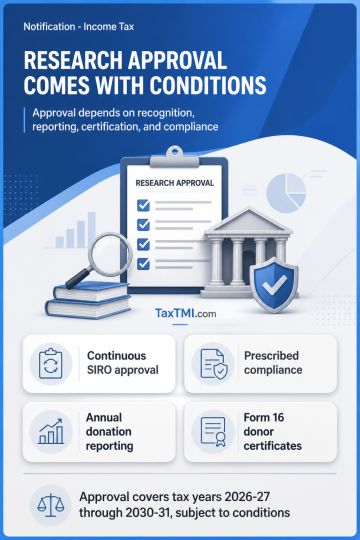
Scientific research institution approval is conditional on SIRO recognition, annual donation reporting, donor certification, and prescribed compliance...
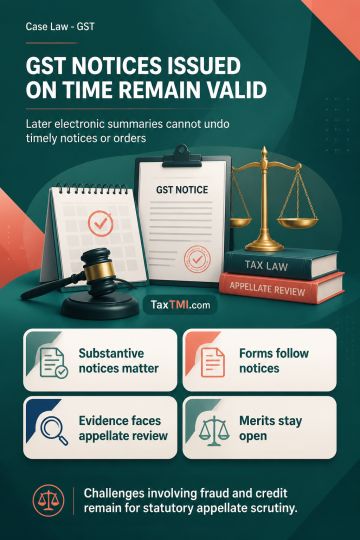
GST limitation under Section 74 turns on issuance of substantive show-cause notices and adjudication orders, while Rule 142 requires consequential electronic summaries in Forms GST DRC-01 and DRC-07. Later dates on those forms do not invalidate notices or Orders-in-Original issued within the applicable limitation period. Challenges involving fraud, suppression, supplier knowledge or collusion, input tax credit entitlement, and departmental evidence require statutory appellate scrutiny where no denial of hearing or patent jurisdictional defect exists. Merits remain open before the Appellate Authority.
GST limitation under Section 74 turns on issuance of substantive show-cause notices and adjudication orders, while Rule 142 requires consequential electronic summaries in Forms GST DRC-01 and DRC-07. Later dates on those forms do not invalidate notices or Orders-in-Original issued within the applicable limitation period. Challenges involving fraud, suppression, supplier knowledge or collusion, input tax credit entitlement, and departmental evidence require statutory appellate scrutiny where no denial of hearing or patent jurisdictional defect exists. Merits remain open before the Appellate Authority.
Note: It is a system-generated summary and is for quick reference only.
 TaxTMI
  TaxTMI
 of 4913