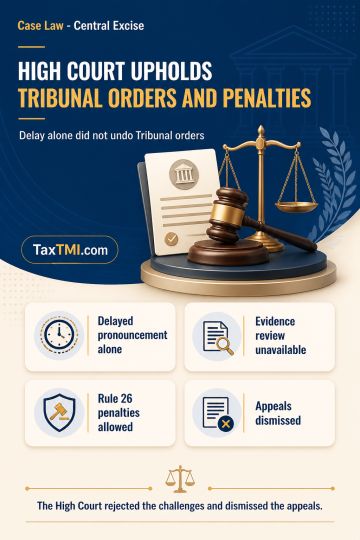
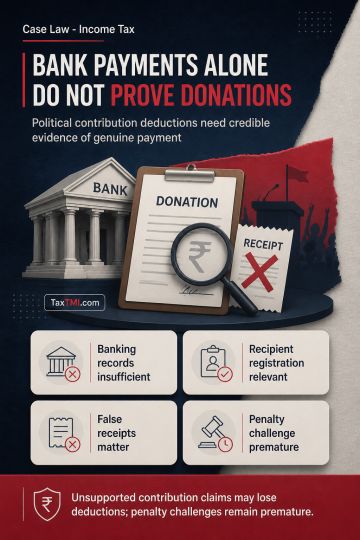
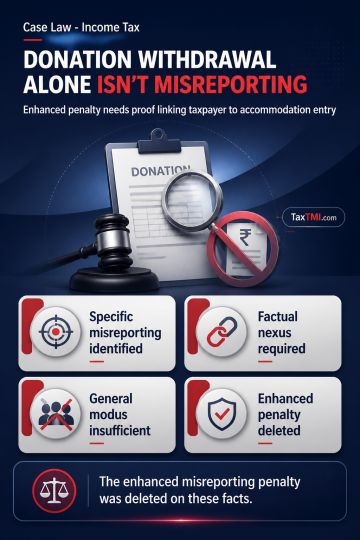
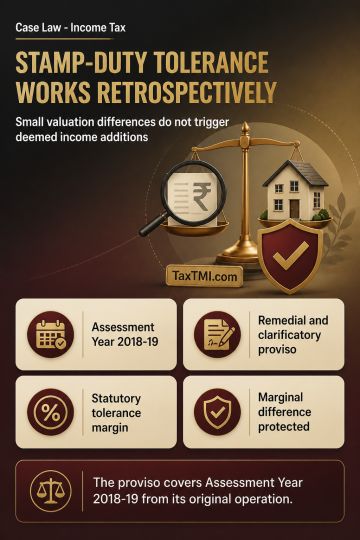
Delayed judgment pronouncement alone does not invalidate Tribunal orders, while rectification cannot reopen evidence or negate confiscation-related pe...
Agricultural-land reinvestment qualifies when transfer consideration precedes replacement purchase, while unexamined claims may be reassessed on escap...
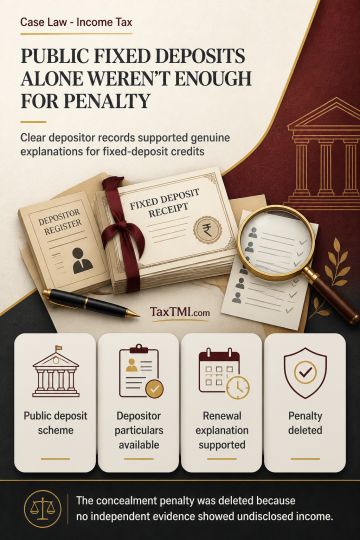
Bona fide public fixed-deposit explanations prevent concealment penalties where unexplained-credit additions lack independent evidence of undisclosed ...
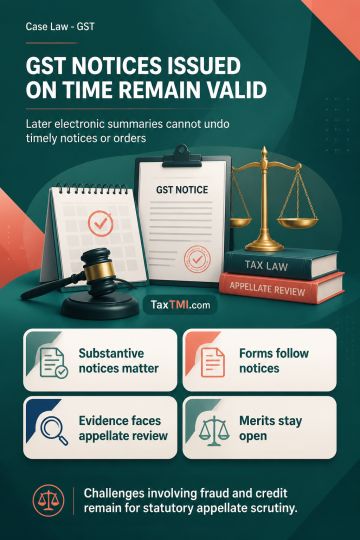
GST limitation under Section 74 turns on issuance of substantive show-cause notices and adjudication orders, while Rule 142 requires consequential electronic summaries in Forms GST DRC-01 and DRC-07. Later dates on those forms do not invalidate notices or Orders-in-Original issued within the applicable limitation period. Challenges involving fraud, suppression, supplier knowledge or collusion, input tax credit entitlement, and departmental evidence require statutory appellate scrutiny where no denial of hearing or patent jurisdictional defect exists. Merits remain open before the Appellate Authority.
GST limitation under Section 74 turns on issuance of substantive show-cause notices and adjudication orders, while Rule 142 requires consequential electronic summaries in Forms GST DRC-01 and DRC-07. Later dates on those forms do not invalidate notices or Orders-in-Original issued within the applicable limitation period. Challenges involving fraud, suppression, supplier knowledge or collusion, input tax credit entitlement, and departmental evidence require statutory appellate scrutiny where no denial of hearing or patent jurisdictional defect exists. Merits remain open before the Appellate Authority.
Note: It is a system-generated summary and is for quick reference only.
 TaxTMI
  TaxTMI
 of 4905