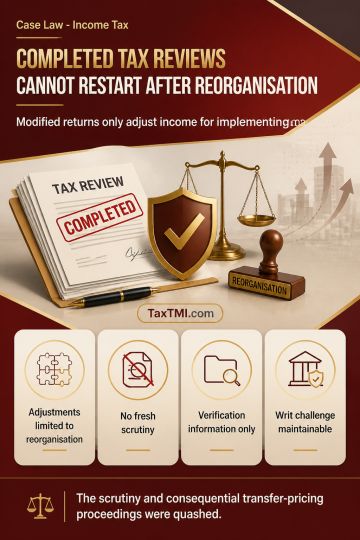
Modified returns after business reorganisations cannot trigger fresh scrutiny once the original assessment was complete, invalidating related transfer...
Third-party loose sheets require reliable nexus before supporting unexplained expenditure additions; presumptions do not establish payer identity or o...
TNMM comparability using audited accounts and working-capital adjustments can eliminate unwarranted transfer-pricing additions where verified margins ...
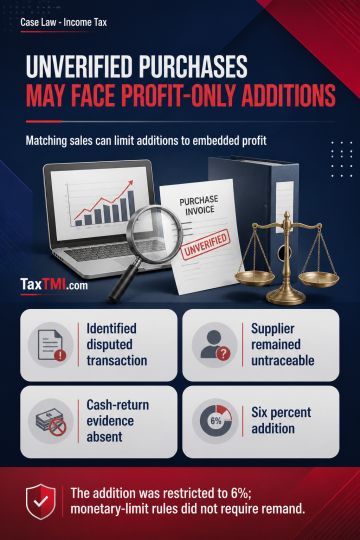
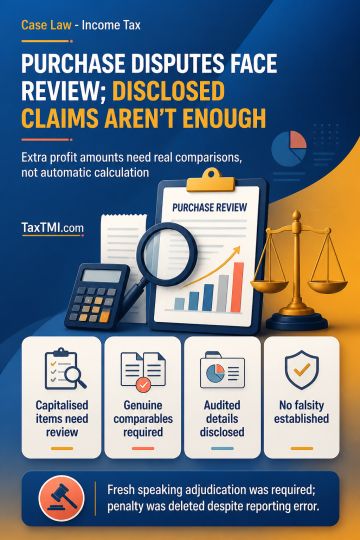
Gross-profit additions on disputed purchases require reasoned appellate determination; disclosed claims alone do not support inaccurate-particulars pe...
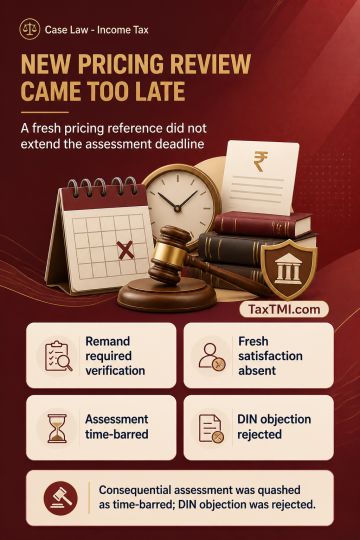
Limitation after transfer-pricing remand: fresh TPO reference did not extend the assessment deadline, rendering the consequential assessment time-barr...
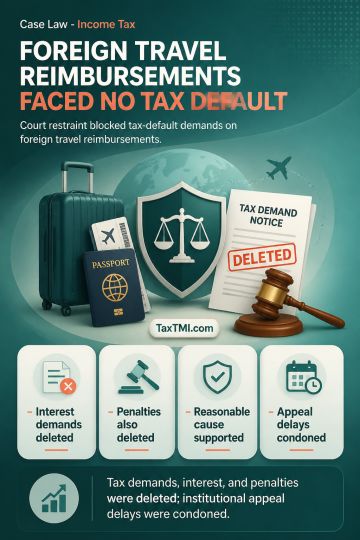
Interim judicial restraint on tax deduction prevents default, while supporting reasonable cause and penalty deletion for foreign-leg LFC reimbursement...
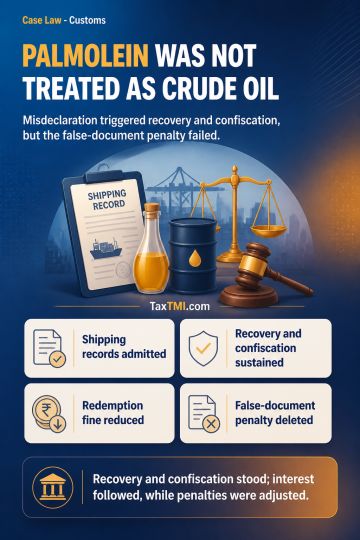
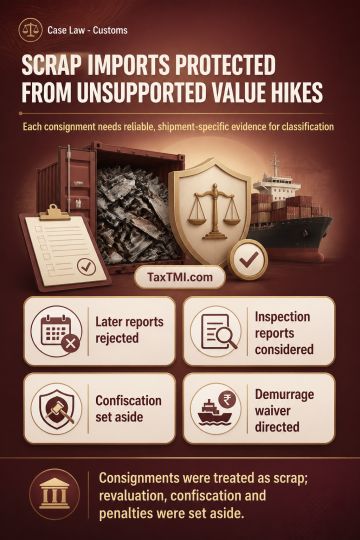
Palmolein classification defeated the crude-oil concession; material misdeclaration sustained recovery and confiscation, while separate false-document...
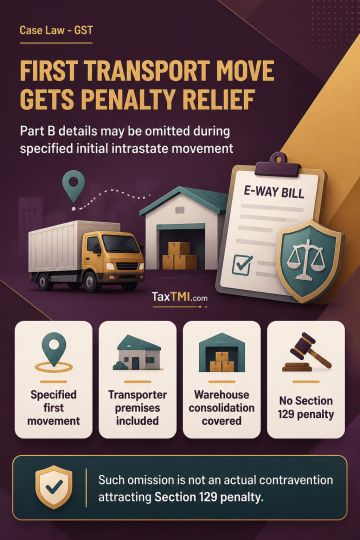
Rule 138(3)'s third proviso permits Part B conveyance details to remain unfilled during the specified initial intrastate movement from a consignor's business premises to a transporter's premises for further transportation. The exception covers movement to a transporter's warehouse for consolidation before onward dispatch, rather than every short-distance journey. A permitted omission does not constitute an actual contravention attracting a Section 129 penalty, despite its overriding language. Appeals below the statutory monetary threshold may be admitted where a substantive issue concerning this exception and the resulting penalty warrants consideration on merits.
Rule 138(3)'s third proviso permits Part B conveyance details to remain unfilled during the specified initial intrastate movement from a consignor's business premises to a transporter's premises for further transportation. The exception covers movement to a transporter's warehouse for consolidation before onward dispatch, rather than every short-distance journey. A permitted omission does not constitute an actual contravention attracting a Section 129 penalty, despite its overriding language. Appeals below the statutory monetary threshold may be admitted where a substantive issue concerning this exception and the resulting penalty warrants consideration on merits.
Note: It is a system-generated summary and is for quick reference only.
 TaxTMI
  TaxTMI
 of 4908