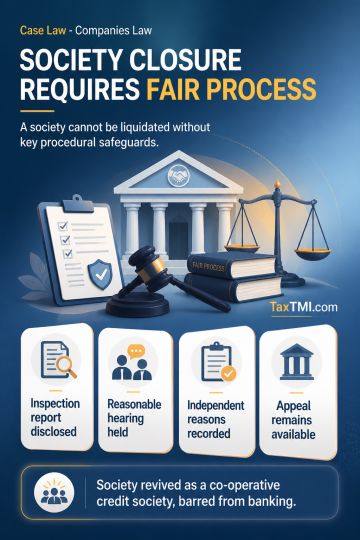
Suspension of insolvency professional registration prevents continued Resolution Professional appointments and restricts interim stays that effectivel...
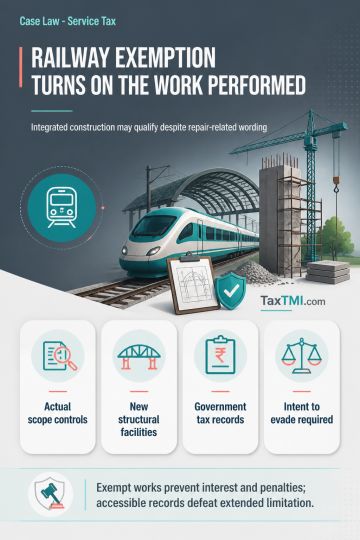
Original works exemption for railway contracts depends on actual integrated construction scope, while accessible tax data defeats suppression allegati...
Survey surrender characterisation determines whether mixed excess stock and business-linked cash face normal taxation or special deemed-income taxatio...
Page of 4908
Press 'Enter' after typing page number.
201 to 220 of 98141 Results
❮
❯
❯❯
0 / 200
Expand Note
Add to Folder
No Folders have been created
+
Are you sure you want to delete "My most important" ?
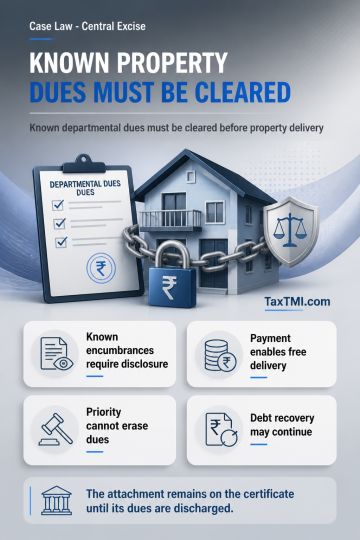
Known departmental attachments in a SARFAESI auction constitute encumbrances where entered in the encumbrance certificate and restrict alienation, transfer and further charges. Rules 9(6) to 9(10) require disclosure of known encumbrances and allow delivery free of them only after deposit of the amount required for discharge. Secured-creditor priority over Government dues governs recovery of secured debt but does not displace that mandatory sale procedure. Accordingly, a disclosed departmental attachment cannot be removed from the encumbrance certificate, nor can an auction purchaser avoid the associated dues, unless they are discharged. A secured creditor is not functus officio while any part of its debt remains unrecovered and enforcement continues.
Known departmental attachments in a SARFAESI auction constitute encumbrances where entered in the encumbrance certificate and restrict alienation, transfer and further charges. Rules 9(6) to 9(10) require disclosure of known encumbrances and allow delivery free of them only after deposit of the amount required for discharge. Secured-creditor priority over Government dues governs recovery of secured debt but does not displace that mandatory sale procedure. Accordingly, a disclosed departmental attachment cannot be removed from the encumbrance certificate, nor can an auction purchaser avoid the associated dues, unless they are discharged. A secured creditor is not functus officio while any part of its debt remains unrecovered and enforcement continues.
Note: It is a system-generated summary and is for quick reference only.
 TaxTMI
  TaxTMI
 of 4908