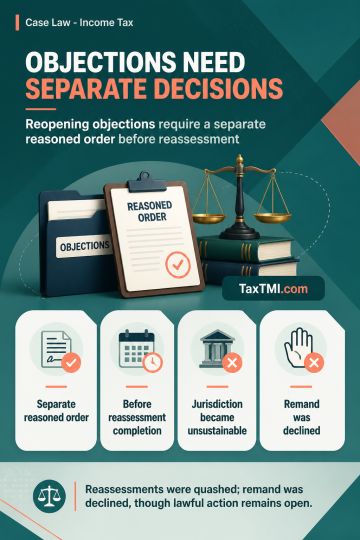
Separate speaking orders on reopening objections are mandatory; deciding them within reassessment invalidates jurisdiction and precludes revival of st...
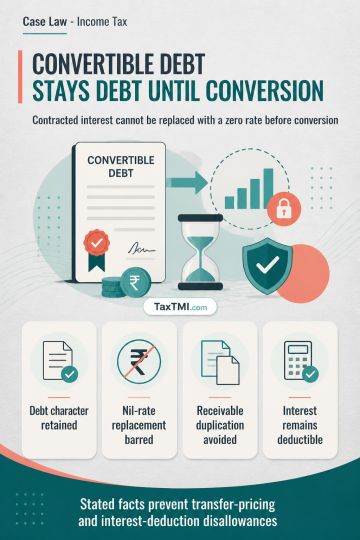
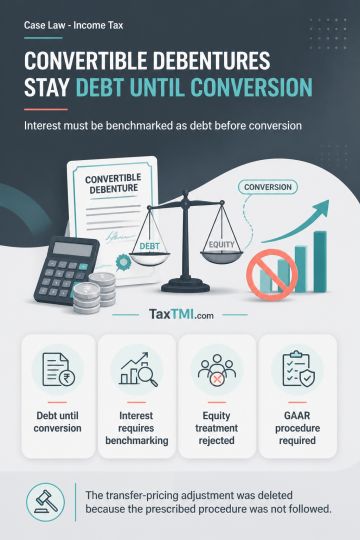
Compulsorily convertible debentures remain debt before conversion, preventing transfer-pricing and interest-deduction disallowances on the stated fact...
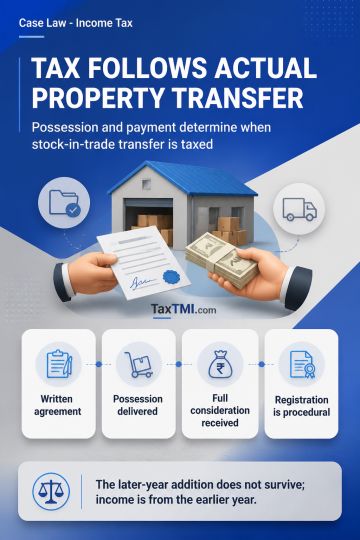
Stock-in-trade transfer taxability follows possession and consideration, not later conveyance registration, limiting deemed-value provisions to the ac...
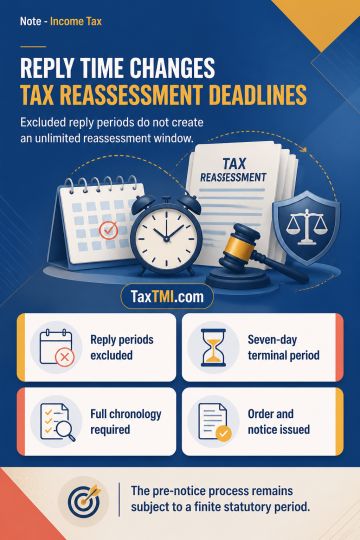
Under the former reassessment framework, time allowed or extended for an assessee's reply to a Section 148A(b) show-cause notice is excluded when computing the Section 149 limitation period. A notice is not invalid merely because the response period runs beyond the original limitation deadline. After that exclusion, where the remaining time does not exceed seven days, the sixth proviso provides a seven-day terminal period for issuing the Section 148A(d) order and consequential Section 148 notice. The exclusion does not create an open-ended period. Limitation must therefore be computed through the complete chronology of response periods, adjournments, extensions, reply-stage closure, and issuance of both the order and notice.
Under the former reassessment framework, time allowed or extended for an assessee's reply to a Section 148A(b) show-cause notice is excluded when computing the Section 149 limitation period. A notice is not invalid merely because the response period runs beyond the original limitation deadline. After that exclusion, where the remaining time does not exceed seven days, the sixth proviso provides a seven-day terminal period for issuing the Section 148A(d) order and consequential Section 148 notice. The exclusion does not create an open-ended period. Limitation must therefore be computed through the complete chronology of response periods, adjournments, extensions, reply-stage closure, and issuance of both the order and notice.
Note: It is a system-generated summary and is for quick reference only.
 TaxTMI
  TaxTMI
 of 4905