Suspension of insolvency professional registration prevents continued Resolution Professional appointments and restricts interim stays that effectivel...
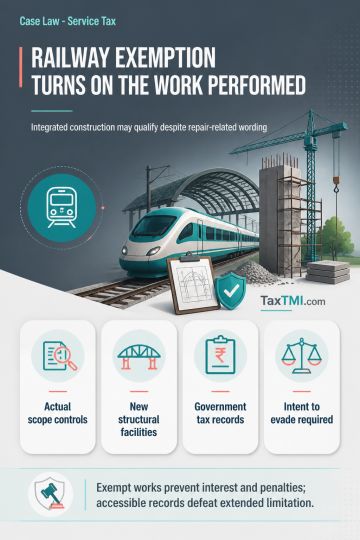
Original works exemption for railway contracts depends on actual integrated construction scope, while accessible tax data defeats suppression allegati...
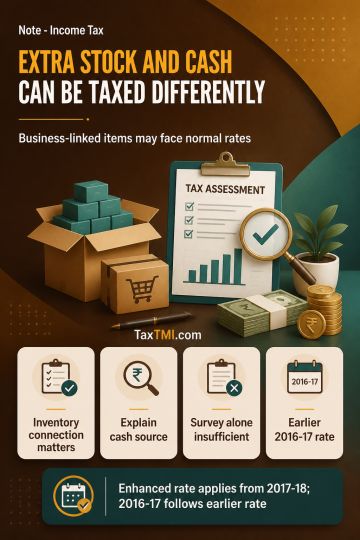
Survey surrender characterisation determines whether mixed excess stock and business-linked cash face normal taxation or special deemed-income taxatio...
Page of 4908
Press 'Enter' after typing page number.
201 to 220 of 98141 Results
❮
❯
❯❯
0 / 200
Expand Note
Add to Folder
No Folders have been created
+
Are you sure you want to delete "My most important" ?
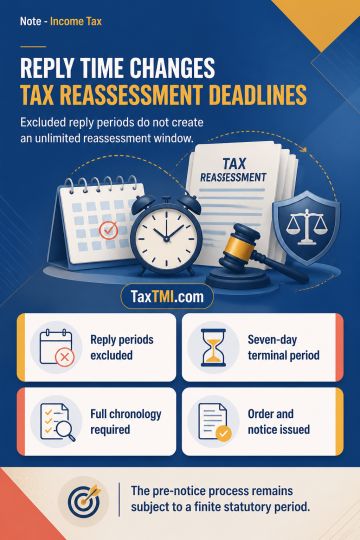
Under the former reassessment framework, time allowed or extended for an assessee's reply to a Section 148A(b) show-cause notice is excluded when computing the Section 149 limitation period. A notice is not invalid merely because the response period runs beyond the original limitation deadline. After that exclusion, where the remaining time does not exceed seven days, the sixth proviso provides a seven-day terminal period for issuing the Section 148A(d) order and consequential Section 148 notice. The exclusion does not create an open-ended period. Limitation must therefore be computed through the complete chronology of response periods, adjournments, extensions, reply-stage closure, and issuance of both the order and notice.
Under the former reassessment framework, time allowed or extended for an assessee's reply to a Section 148A(b) show-cause notice is excluded when computing the Section 149 limitation period. A notice is not invalid merely because the response period runs beyond the original limitation deadline. After that exclusion, where the remaining time does not exceed seven days, the sixth proviso provides a seven-day terminal period for issuing the Section 148A(d) order and consequential Section 148 notice. The exclusion does not create an open-ended period. Limitation must therefore be computed through the complete chronology of response periods, adjournments, extensions, reply-stage closure, and issuance of both the order and notice.
Note: It is a system-generated summary and is for quick reference only.
 TaxTMI
  TaxTMI
 of 4908