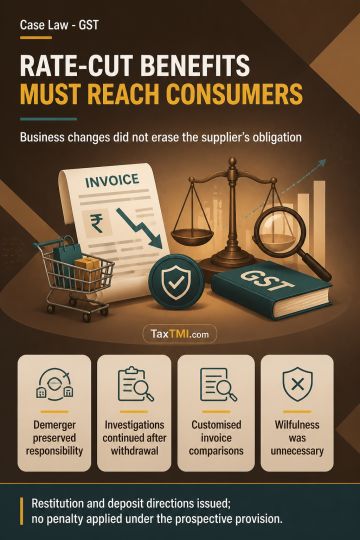
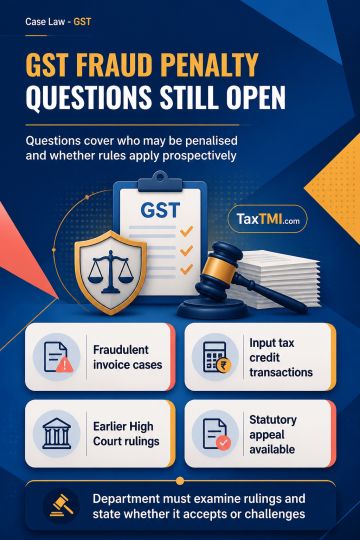
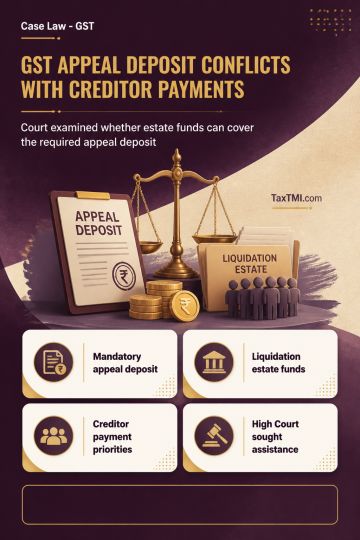
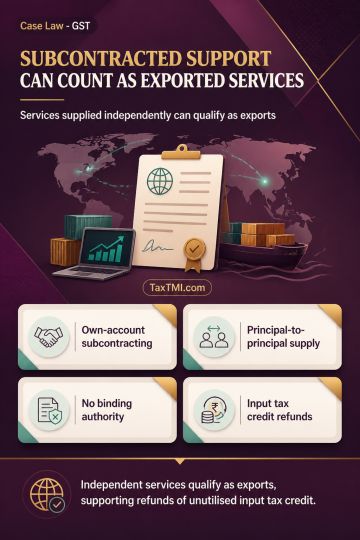
Anti-profiteering obligations survive business demerger, complaint withdrawal, and customized supply arrangements where rate-reduction benefits are no...
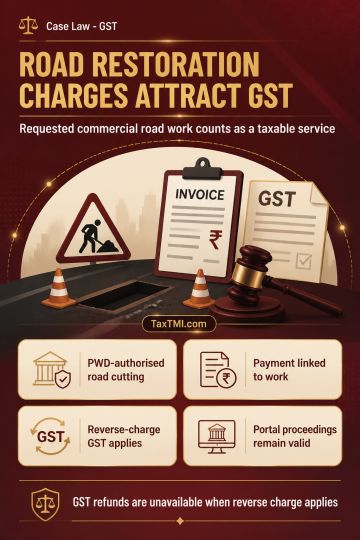
Road restoration charges constitute taxable services when requested for commercial pipeline activity, requiring reverse-charge GST from the business r...
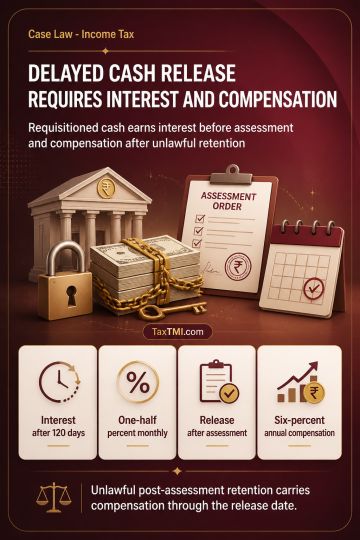
Interest on delayed release of requisitioned cash includes statutory pre-assessment interest and restitutionary compensation for unlawful post-assessm...
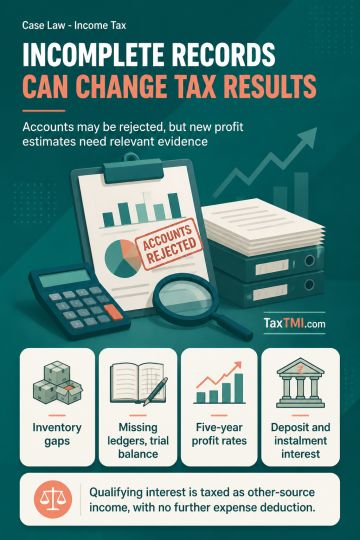
Incomplete inventory records justify rejecting accounts, while profit estimation requires relevant comparable material and interest falls under other ...
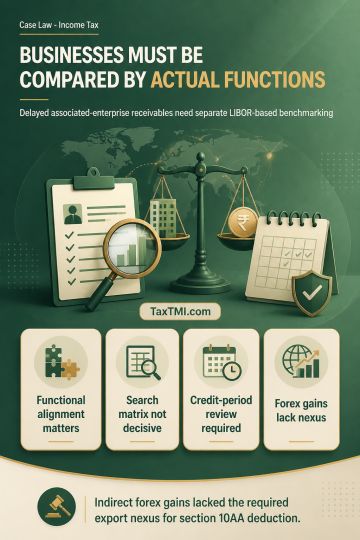
Transfer-pricing comparability requires functional alignment; delayed associated-enterprise receivables need separate LIBOR-based benchmarking, while ...
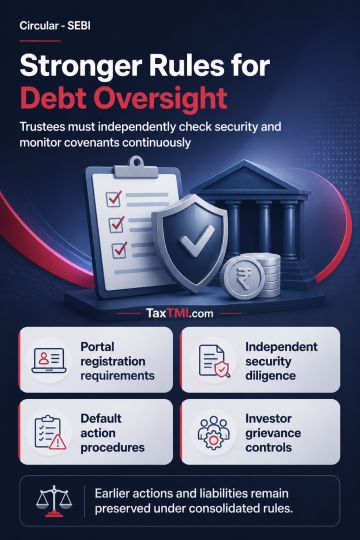
Master Circular consolidates the regulatory framework for debenture trustees and rescinds the earlier master circular while preserving prior actions, rights, liabilities, penalties, proceedings and pending applications. It requires portal-based registration requests and prior approval for change in control, and regulates business transfers, surrender, regulatory communications, and non-regulated activities through ring-fenced separate business units. Trustees must independently conduct security due diligence, issue prescribed certificates, validate charge creation and registration, and continuously monitor security cover, covenants, payments, ratings and defaults through the depository-hosted Security and Covenant Monitoring System. Issuers proposing listed debt securities must establish a Recovery Expense Fund for enforcement costs. The framework also prescribes disclosures, investor grievance handling, default remedies, investor-consent processes, compliance reporting, outsourcing controls, conflict management and suspicious-transaction reporting.
Master Circular consolidates the regulatory framework for debenture trustees and rescinds the earlier master circular while preserving prior actions, rights, liabilities, penalties, proceedings and pending applications. It requires portal-based registration requests and prior approval for change in control, and regulates business transfers, surrender, regulatory communications, and non-regulated activities through ring-fenced separate business units. Trustees must independently conduct security due diligence, issue prescribed certificates, validate charge creation and registration, and continuously monitor security cover, covenants, payments, ratings and defaults through the depository-hosted Security and Covenant Monitoring System. Issuers proposing listed debt securities must establish a Recovery Expense Fund for enforcement costs. The framework also prescribes disclosures, investor grievance handling, default remedies, investor-consent processes, compliance reporting, outsourcing controls, conflict management and suspicious-transaction reporting.
Note: It is a system-generated summary and is for quick reference only.
 TaxTMI
  TaxTMI
 of 4912