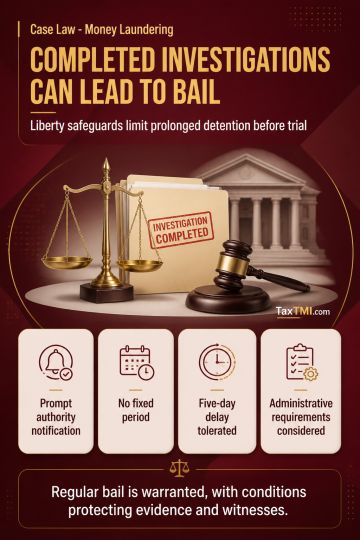
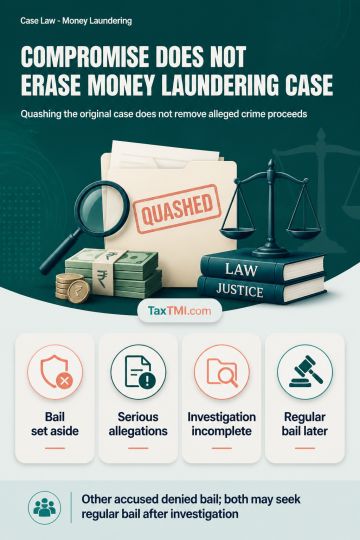
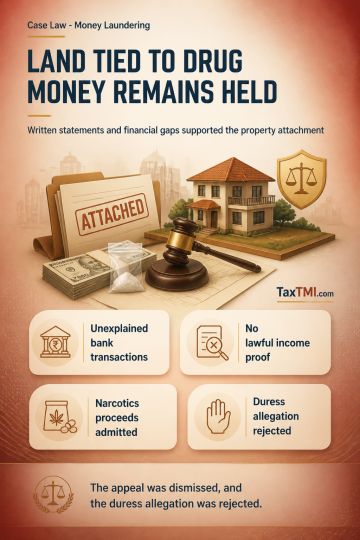
Constitutional personal-liberty safeguards limit PMLA twin bail conditions where completed investigations lead to prolonged incarceration before trial...
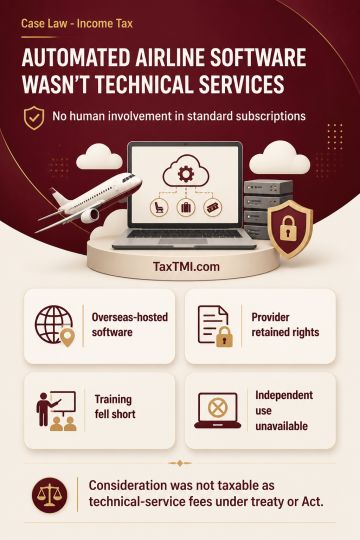
Automated airline software subscriptions without human intervention fail technical-services characterisation and do not make available underlying tech...
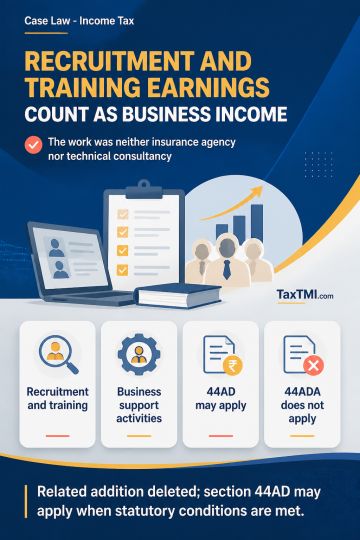
Business support recruitment and training receipts qualify for presumptive business taxation, not professional taxation under technical consultancy ru...
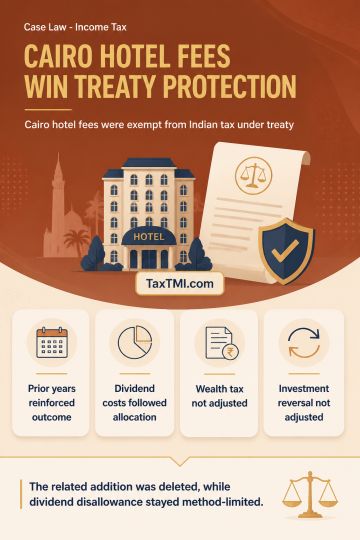
Treaty exemption for foreign permanent-establishment management fees prevailed, while dividend expense disallowance remained limited to an accepted al...
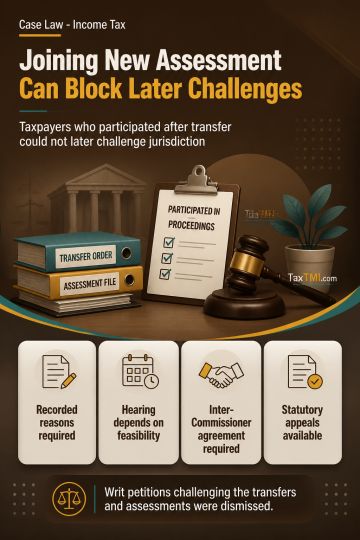
Centralised assessment transfers: participation after requesting centralisation can bar technical jurisdictional challenges, while assessment disputes...
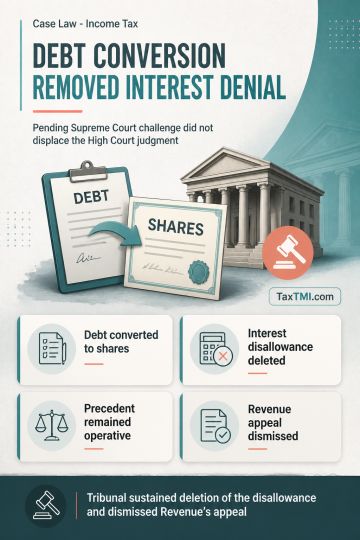
Binding precedent remains operative despite pending challenge, supporting deletion of interest disallowance when debt is converted into preference sha...
Page of 4912
Press 'Enter' after typing page number.
121 to 140 of 98239 Results
❮
❯
❯❯
0 / 200
Expand Note
Add to Folder
No Folders have been created
+
Are you sure you want to delete "My most important" ?
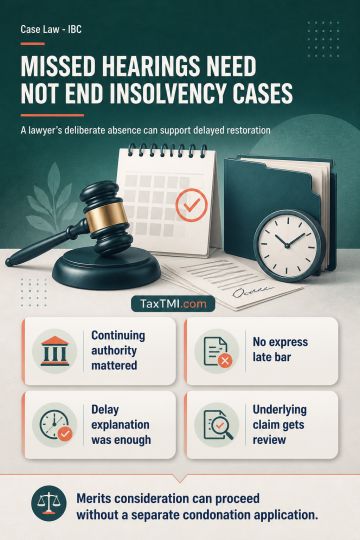
Restoration of an insolvency application dismissed for non-prosecution can be supported by sufficient cause where former counsel deliberately failed to appear or enable substitution despite a continuing vakalatnama; that default should not be attributed to the litigant. Rule 48(2) of the NCLT Rules prescribes a 30-day restoration period but does not expressly prohibit a later recall request. Section 238A applies the Limitation Act, as far as may be, to insolvency proceedings, allowing Section 5 condonation on sufficient cause. Where the restoration request itself explains the delay, a separate condonation application is unnecessary, permitting merits consideration of the underlying claim.
Restoration of an insolvency application dismissed for non-prosecution can be supported by sufficient cause where former counsel deliberately failed to appear or enable substitution despite a continuing vakalatnama; that default should not be attributed to the litigant. Rule 48(2) of the NCLT Rules prescribes a 30-day restoration period but does not expressly prohibit a later recall request. Section 238A applies the Limitation Act, as far as may be, to insolvency proceedings, allowing Section 5 condonation on sufficient cause. Where the restoration request itself explains the delay, a separate condonation application is unnecessary, permitting merits consideration of the underlying claim.
Note: It is a system-generated summary and is for quick reference only.
 TaxTMI
  TaxTMI
 of 4912