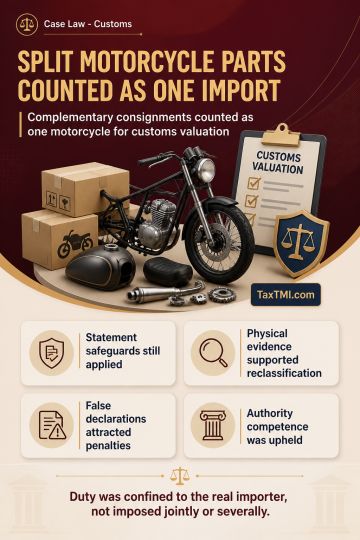
Split consignment classification treated complementary motorcycle parts as one imported motorcycle, sustaining valuation, confiscation and importer li...
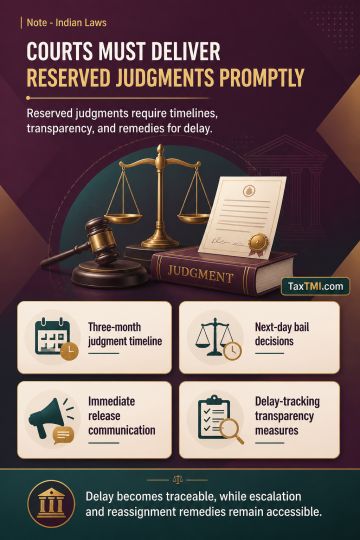
Timely pronouncement of reserved judgments requires defined timelines, transparency measures, and remedial pathways to protect liberty and effective j...
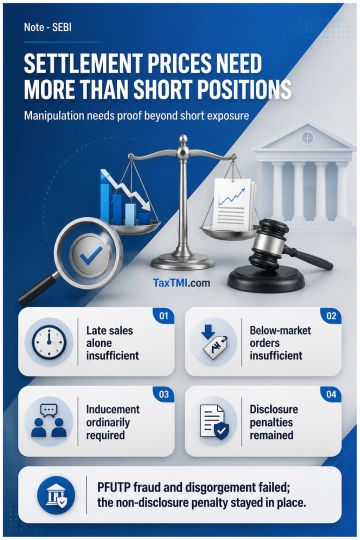
Settlement-price depression requires proof of manipulation, not merely short exposure, late selling, or below-market orders, preserving disclosure pen...
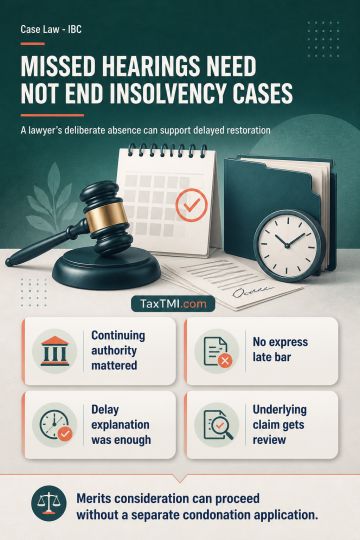
Restoration of an insolvency application dismissed for non-prosecution can be supported by sufficient cause where former counsel deliberately failed to appear or enable substitution despite a continuing vakalatnama; that default should not be attributed to the litigant. Rule 48(2) of the NCLT Rules prescribes a 30-day restoration period but does not expressly prohibit a later recall request. Section 238A applies the Limitation Act, as far as may be, to insolvency proceedings, allowing Section 5 condonation on sufficient cause. Where the restoration request itself explains the delay, a separate condonation application is unnecessary, permitting merits consideration of the underlying claim.
Restoration of an insolvency application dismissed for non-prosecution can be supported by sufficient cause where former counsel deliberately failed to appear or enable substitution despite a continuing vakalatnama; that default should not be attributed to the litigant. Rule 48(2) of the NCLT Rules prescribes a 30-day restoration period but does not expressly prohibit a later recall request. Section 238A applies the Limitation Act, as far as may be, to insolvency proceedings, allowing Section 5 condonation on sufficient cause. Where the restoration request itself explains the delay, a separate condonation application is unnecessary, permitting merits consideration of the underlying claim.
Note: It is a system-generated summary and is for quick reference only.
 TaxTMI
  TaxTMI
 of 4913