Constitutional personal-liberty safeguards limit PMLA twin bail conditions where completed investigations lead to prolonged incarceration before trial...
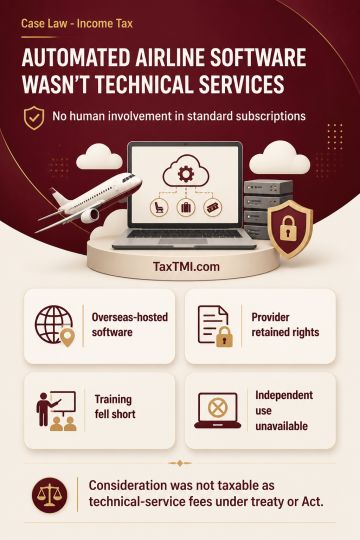
Automated airline software subscriptions without human intervention fail technical-services characterisation and do not make available underlying tech...
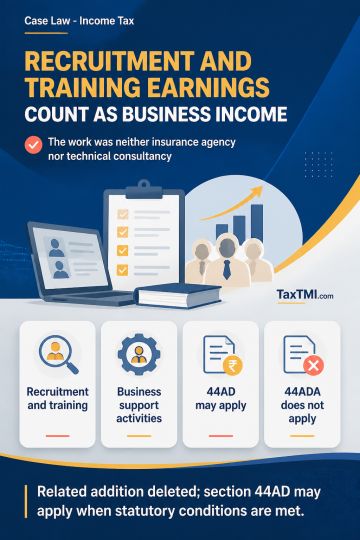
Business support recruitment and training receipts qualify for presumptive business taxation, not professional taxation under technical consultancy ru...
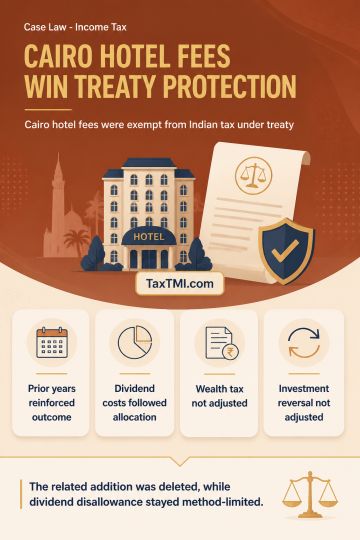
Treaty exemption for foreign permanent-establishment management fees prevailed, while dividend expense disallowance remained limited to an accepted al...
Centralised assessment transfers: participation after requesting centralisation can bar technical jurisdictional challenges, while assessment disputes...
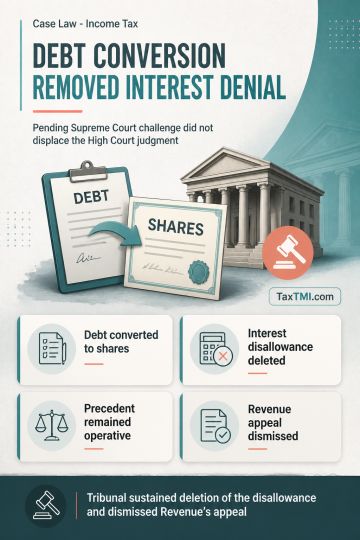
Binding precedent remains operative despite pending challenge, supporting deletion of interest disallowance when debt is converted into preference sha...
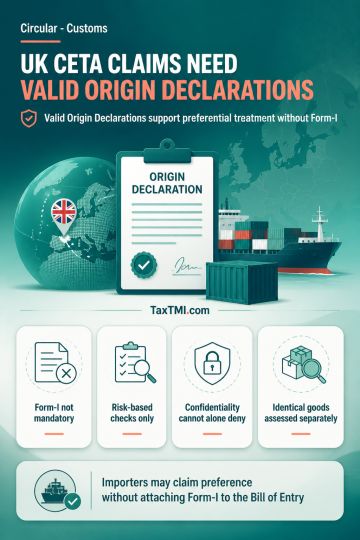
Rules of Origin under a trade agreement prevail over CAROTAR, 2020 where inconsistent. For preferential imports under the India-UK CETA, a valid Origin Declaration from the UK exporter or producer is sufficient proof of origin; Form-I is neither required with the Bill of Entry nor a condition for preferential tariff treatment. Form-I information may be sought only where risk-based origin checks are triggered and the proper officer has reason to believe origin criteria are unmet. Failure to provide exporter or producer confidential information cannot alone deny preference, and insufficient information may be verified through the exporting party's Verification Authority. Earlier adverse origin determinations apply to later imports only when goods are genuinely identical, subject to importer submissions and independent assessment of materially different goods.
Rules of Origin under a trade agreement prevail over CAROTAR, 2020 where inconsistent. For preferential imports under the India-UK CETA, a valid Origin Declaration from the UK exporter or producer is sufficient proof of origin; Form-I is neither required with the Bill of Entry nor a condition for preferential tariff treatment. Form-I information may be sought only where risk-based origin checks are triggered and the proper officer has reason to believe origin criteria are unmet. Failure to provide exporter or producer confidential information cannot alone deny preference, and insufficient information may be verified through the exporting party's Verification Authority. Earlier adverse origin determinations apply to later imports only when goods are genuinely identical, subject to importer submissions and independent assessment of materially different goods.
Note: It is a system-generated summary and is for quick reference only.
 TaxTMI
  TaxTMI
 of 4910