Functional comparability under TNMM requires transaction-specific FAR analysis before benchmarking business-support services provided to associated en...
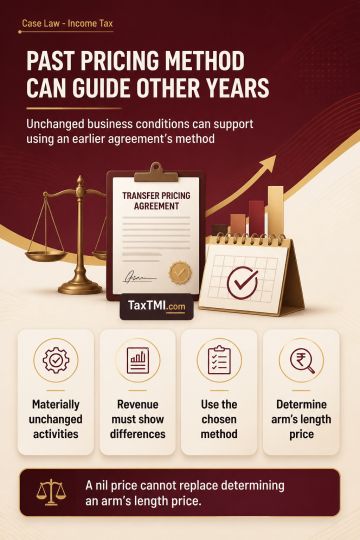
Advance pricing agreement methodology can guide benchmarking for non-covered years when functions, assets, risks and activities remain materially unch...
Tax-audit exemption for substantially State-funded educational universities prevents audit-failure penalties where income qualifies for statutory exem...
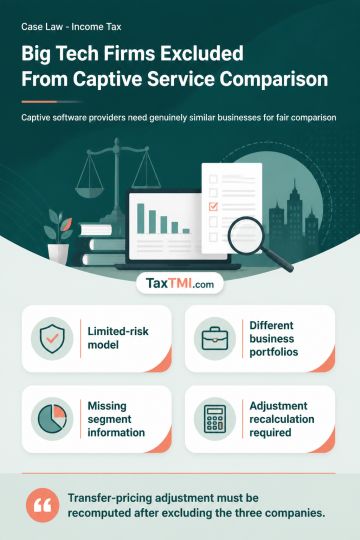
Functional, asset and risk analysis excludes diversified technology companies from captive software development comparables under cost-plus arrangemen...
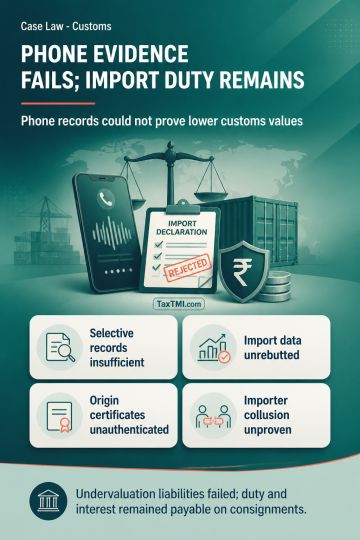
Mobile-phone electronic evidence failed to establish customs undervaluation, while duty survived on non-authentic origin certificates without importer...
Automotive radio classification treats integrated infotainment features as supplementary, placing complete and qualifying unassembled units under the ...
Separate corporate personality prevents directors from being personally liable for company deposits without a guarantee or independent legal undertaki...
SAFTA preferential duty exemption applied to Bangladesh-origin garment imports because verified Certificates of Origin were linked to invoices and Bills of Entry, Bangladesh authorities confirmed their validity, and no evidence established intellectual-property infringement. Customs detention and provisional release conditions were therefore unsustainable, requiring release against the assessed Bills of Entry with preferential treatment. Enhanced assessable value based on an undisclosed market enquiry lacked particulars or documentary support and was set aside. Regulation 6(1) of the Handling of Cargo in Customs Areas Regulations, 2009 required complete waiver of demurrage, detention and allied charges because the goods had been unlawfully detained.
SAFTA preferential duty exemption applied to Bangladesh-origin garment imports because verified Certificates of Origin were linked to invoices and Bills of Entry, Bangladesh authorities confirmed their validity, and no evidence established intellectual-property infringement. Customs detention and provisional release conditions were therefore unsustainable, requiring release against the assessed Bills of Entry with preferential treatment. Enhanced assessable value based on an undisclosed market enquiry lacked particulars or documentary support and was set aside. Regulation 6(1) of the Handling of Cargo in Customs Areas Regulations, 2009 required complete waiver of demurrage, detention and allied charges because the goods had been unlawfully detained.
Note: It is a system-generated summary and is for quick reference only.
 TaxTMI
 TaxTMI

 of 4916