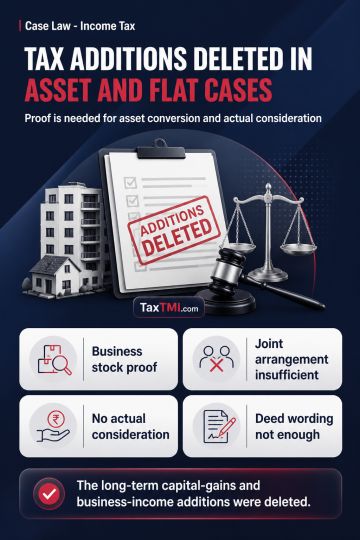
Capital Asset Conversion Requires Proven Business Stock Treatment; Paper Consideration in Spousal Flat Transfers Does Not Create Taxable Business Inco...
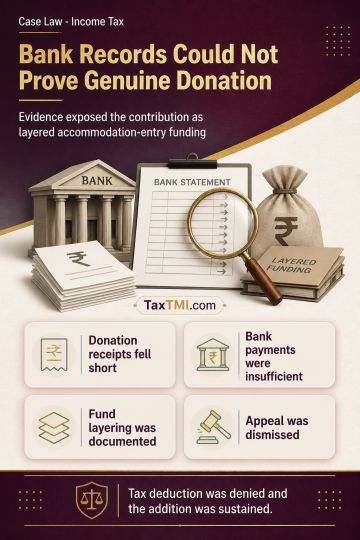
Human-probability test defeats political donation deduction where banking records mask accommodation-entry fund layering and evidence shows non-genuin...
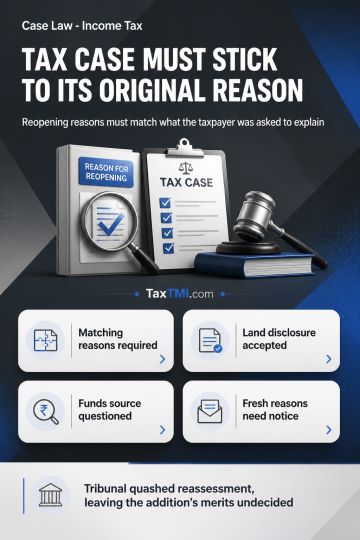
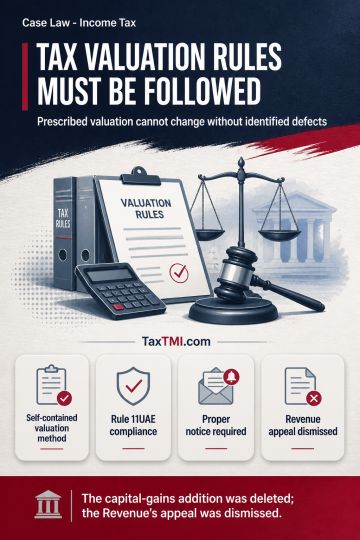
Commercial property status protects capital-gains exemption when residential-house ownership limits are tested, while agricultural-land character gove...
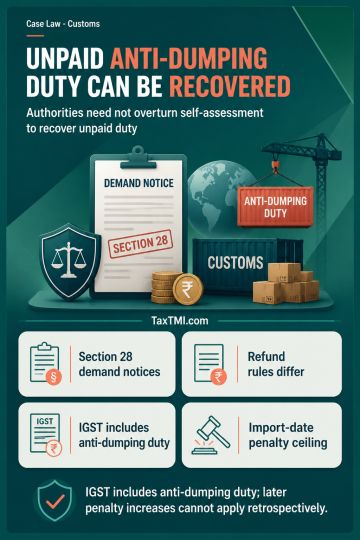
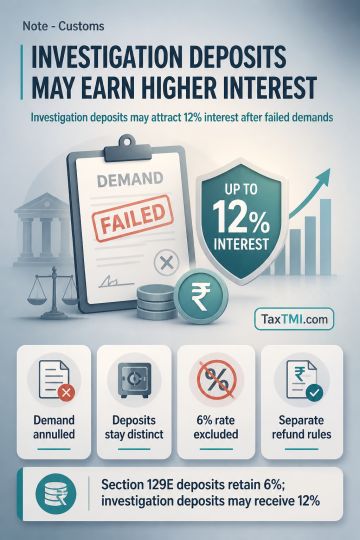
Investigation deposits refunded after failed customs demands fall outside the statutory appellate pre-deposit interest regime and may attract compensa...
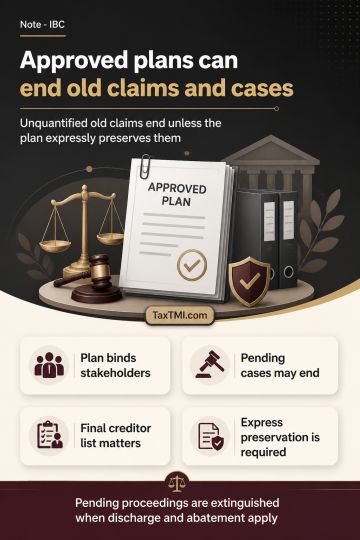
Resolution plan finality extinguishes unquantified operational-creditor claims and pending proceedings unless the approved plan expressly preserves th...
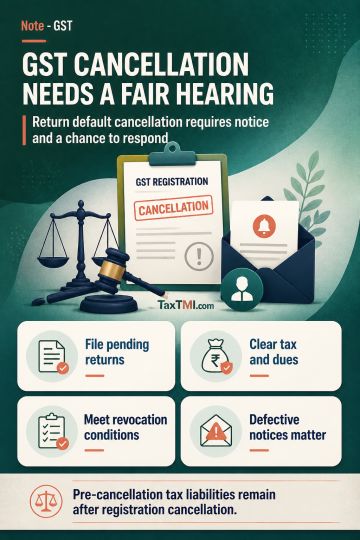
GST registration may be cancelled for continuous non-filing of returns under Section 29, but cancellation does not extinguish pre-cancellation tax liabilities. Rule 22 requires notice and an opportunity to respond; where pending returns are filed and tax, interest and late fee are fully paid before cancellation, the officer must drop proceedings. Post-cancellation revocation under Rule 23 requires compliance with prescribed filing, payment and limitation conditions, while appellate authorities cannot exceed statutory condonation limits. Defective notices, absence of reasons, denial of meaningful hearing, or unexplained retrospective cancellation may invalidate the process. Conditional restoration may be available in appropriate non-fraud cases upon full regularisation of returns, tax, interest, late fee and penalty.
GST registration may be cancelled for continuous non-filing of returns under Section 29, but cancellation does not extinguish pre-cancellation tax liabilities. Rule 22 requires notice and an opportunity to respond; where pending returns are filed and tax, interest and late fee are fully paid before cancellation, the officer must drop proceedings. Post-cancellation revocation under Rule 23 requires compliance with prescribed filing, payment and limitation conditions, while appellate authorities cannot exceed statutory condonation limits. Defective notices, absence of reasons, denial of meaningful hearing, or unexplained retrospective cancellation may invalidate the process. Conditional restoration may be available in appropriate non-fraud cases upon full regularisation of returns, tax, interest, late fee and penalty.
Note: It is a system-generated summary and is for quick reference only.
 TaxTMI
  TaxTMI
 of 4912