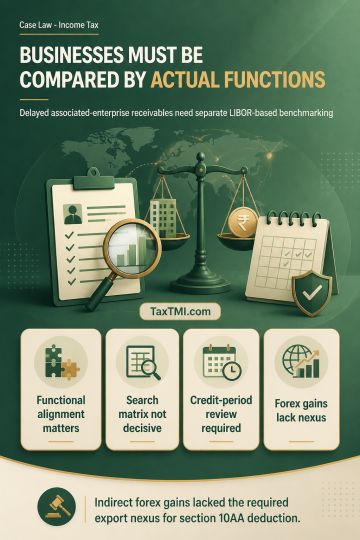
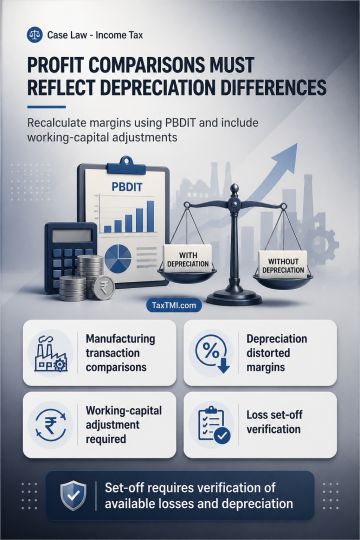
Transfer-pricing comparability requires functional alignment; delayed associated-enterprise receivables need separate LIBOR-based benchmarking, while ...
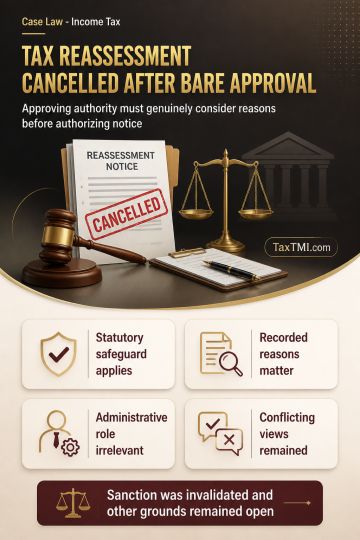
Extended reassessment limitation in search cases requires asset-linked escaped income, invalidating additions based only on unexplained money or expen...
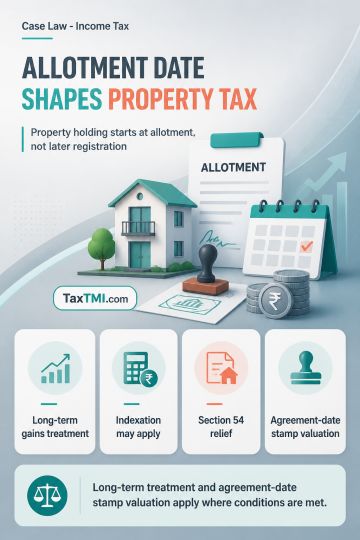
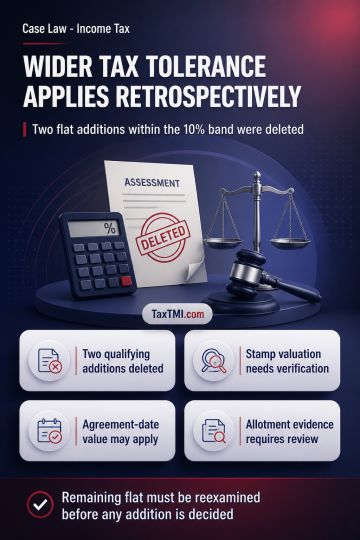
Enhanced tolerance band under section 43CA applies retrospectively, deleting qualifying deemed-sale additions while disputed stamp valuation requires ...
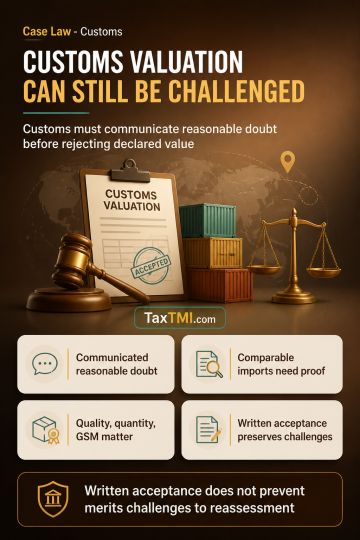
Customs transaction value rejection requires communicated reasonable doubt, while written reassessment acceptance preserves challenges to enhanced val...
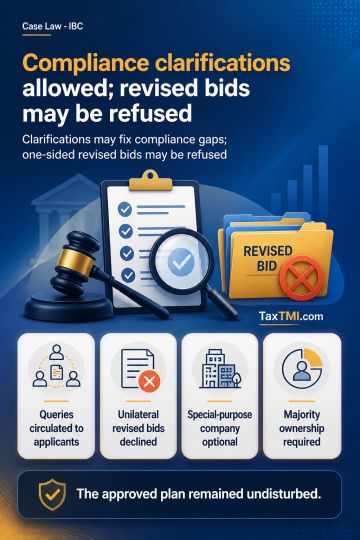
Challenge-mechanism compliance clarifications permitted, while unilateral revised resolution plans may be refused under creditors' commercial discreti...
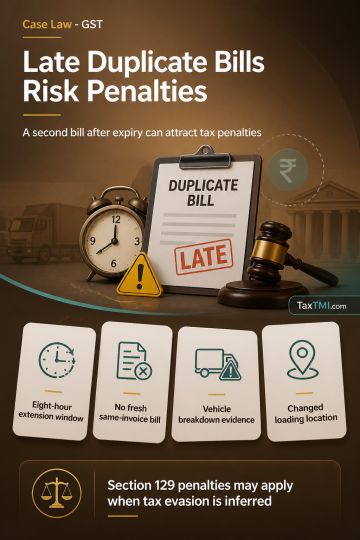
Rule 138 permits extension of an e-way bill only within eight hours after expiry and does not authorise a fresh e-way bill on the same invoice. A second bill generated after expiry may be treated as fraudulent where the claimed vehicle breakdown, repair, and subsequent goods movement lack reliable evidence. Unexplained delay, a different loading location, and modification of invoice details to generate another bill are indicators supporting an inference of intent to evade tax on a preponderance of probabilities. Such transportation may attract penalty under section 129.
Rule 138 permits extension of an e-way bill only within eight hours after expiry and does not authorise a fresh e-way bill on the same invoice. A second bill generated after expiry may be treated as fraudulent where the claimed vehicle breakdown, repair, and subsequent goods movement lack reliable evidence. Unexplained delay, a different loading location, and modification of invoice details to generate another bill are indicators supporting an inference of intent to evade tax on a preponderance of probabilities. Such transportation may attract penalty under section 129.
Note: It is a system-generated summary and is for quick reference only.
 TaxTMI
 TaxTMI

 of 4916