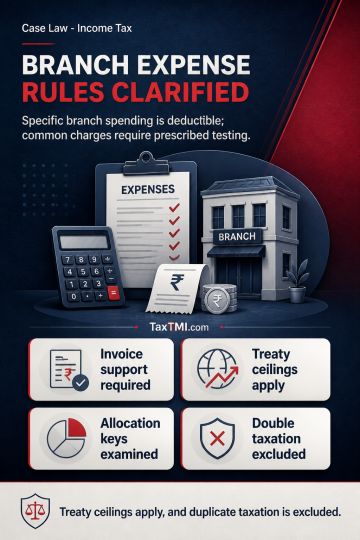
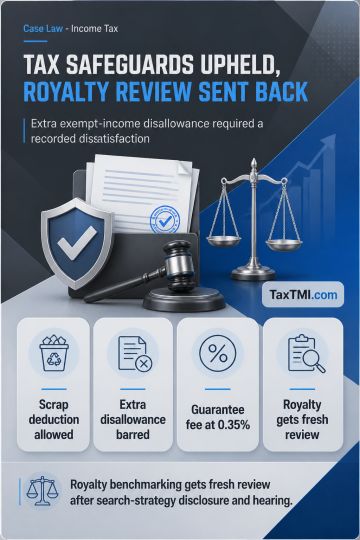
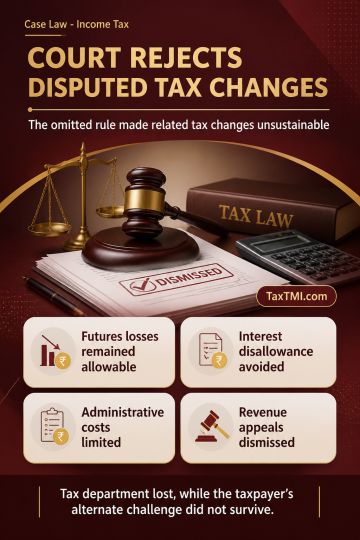
Head Office cost allocation requires prescribed transfer-pricing methods; treaty ceilings bar surcharge and cess, while duplicate taxation is excluded...
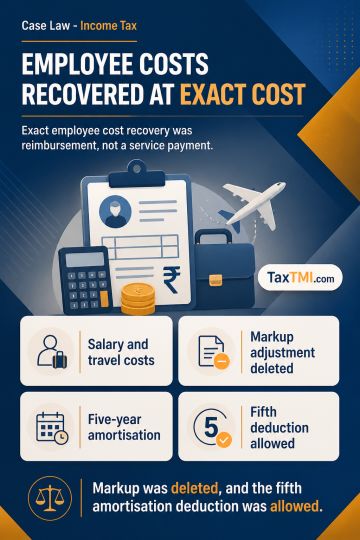
Cost-to-cost reimbursement of seconded employees is not service consideration; transfer-pricing markup was deleted and amalgamation amortisation allow...
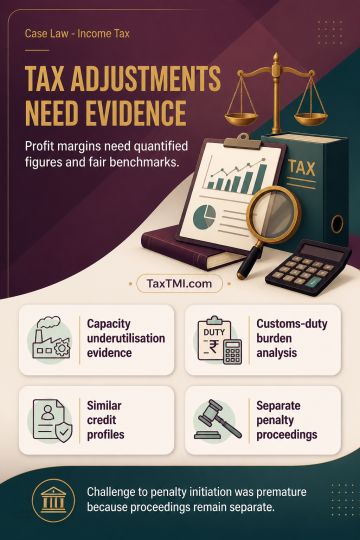
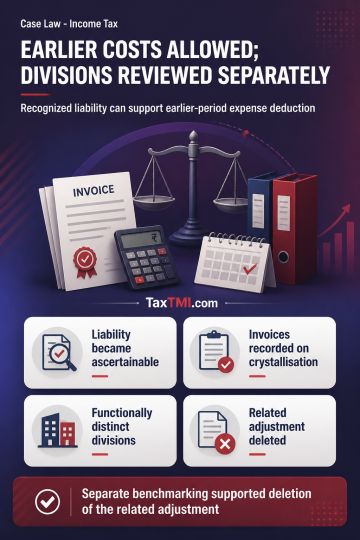
Crystallisation of liability supports prior-period expense deduction, while functionally distinct divisions require separate transfer-pricing benchmar...
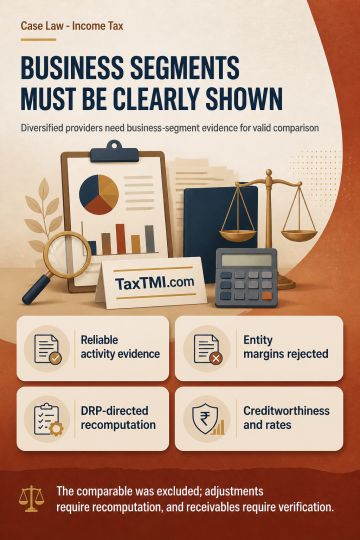
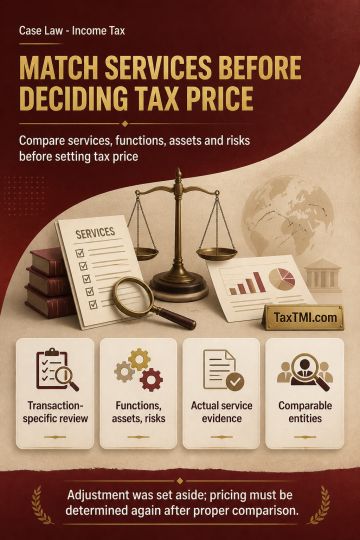
Functional comparability under TNMM requires transaction-specific FAR analysis before benchmarking business-support services provided to associated en...
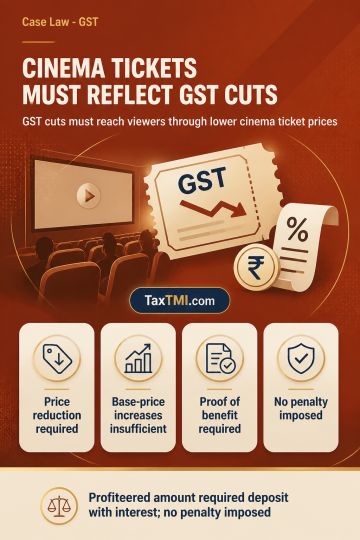
Section 171 of the CGST Act requires suppliers to pass any GST-rate reduction to recipients through a commensurate reduction in prices. For cinema admission tickets, increased base prices and general commercial pricing considerations do not displace that obligation. A supplier must provide cogent evidence that the tax benefit reached viewers; failure to challenge the DGAP methodology or substantiate price increases supports a finding of non-passing. Non-reduction of first- and second-class ticket prices after the rate cut constituted contravention, requiring deposit of the profiteered amount with interest in consumer welfare funds; no penalty was imposed.
Section 171 of the CGST Act requires suppliers to pass any GST-rate reduction to recipients through a commensurate reduction in prices. For cinema admission tickets, increased base prices and general commercial pricing considerations do not displace that obligation. A supplier must provide cogent evidence that the tax benefit reached viewers; failure to challenge the DGAP methodology or substantiate price increases supports a finding of non-passing. Non-reduction of first- and second-class ticket prices after the rate cut constituted contravention, requiring deposit of the profiteered amount with interest in consumer welfare funds; no penalty was imposed.
Note: It is a system-generated summary and is for quick reference only.
 TaxTMI
 TaxTMI

 of 4915