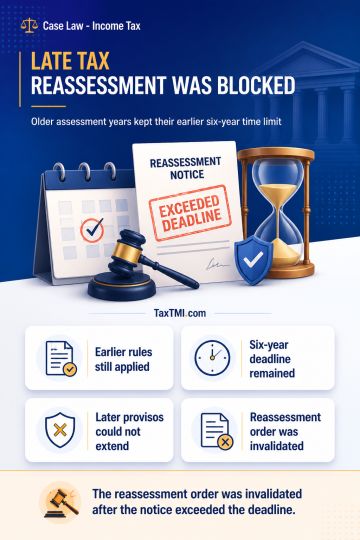
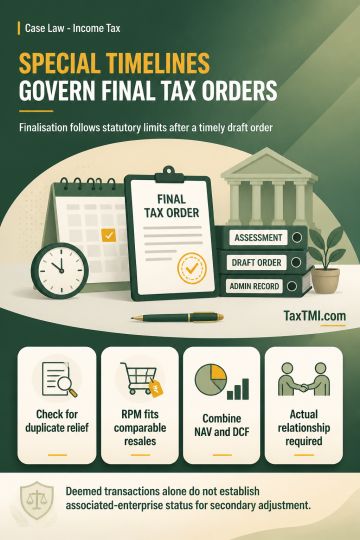
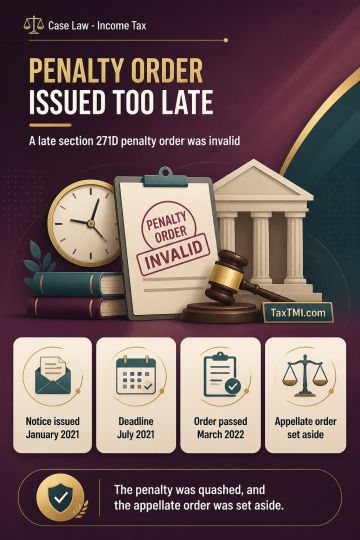
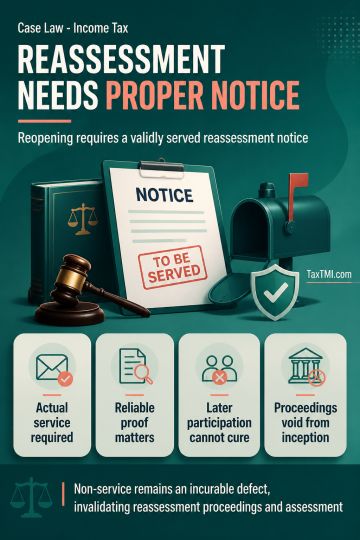
Pre-amendment reassessment limitation bars late notices under the preserved regime, invalidating consequential reassessment for affected earlier asses...
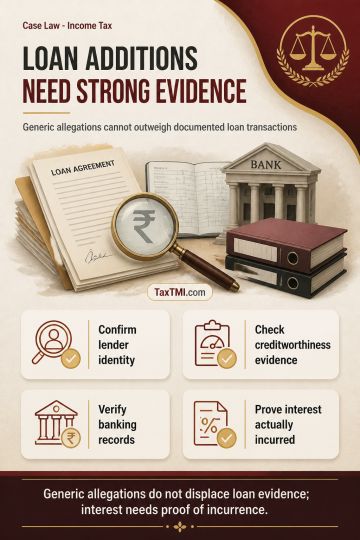
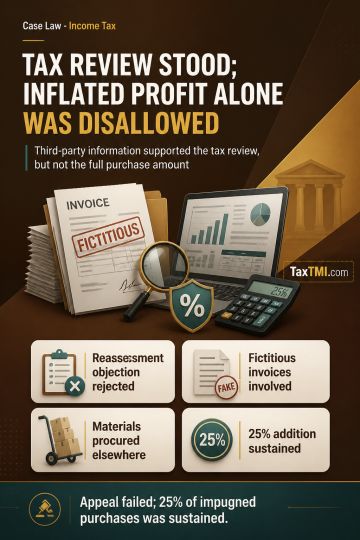
Cash-sales explanations for bank deposits require documentary reconciliation; reassessment notice survived where effective response time was available...
Functional comparability in transfer pricing prevents ad hoc arm's length adjustments where functions, assets, risks and reliable comparables are unes...
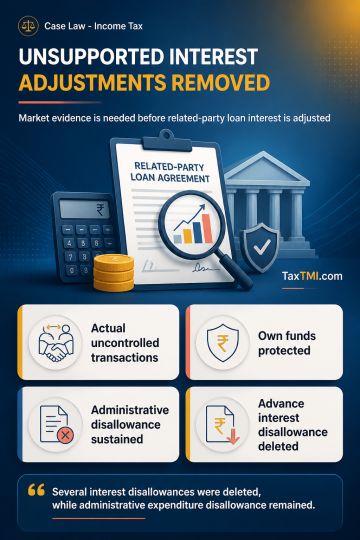
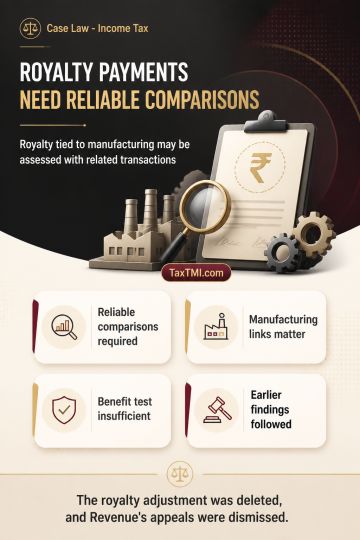
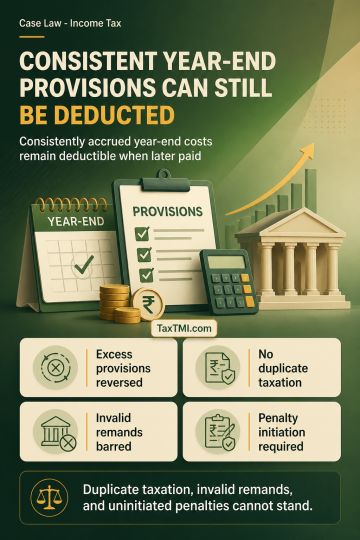
Contingency expenses, exempt-income disallowance, and royalty benchmarking: unsupported adjustments were deleted under consistent accounting and trans...
Section 536(2) was construed as making post-petition dispositions voidable rather than automatically void, so the court could validate a bona fide transaction if it benefited the company or creditors. The first transaction was validated because the applicant showed no knowledge of the winding-up petition despite due diligence, paid above market value, used the proceeds to discharge creditors, and no fraud, taint, or undervaluation was proved. Alleged statutory dues did not defeat validation on the material before the court. The second transaction, being a private inter se transfer, was held outside the scope of the application and was not adjudicated.
Section 536(2) was construed as making post-petition dispositions voidable rather than automatically void, so the court could validate a bona fide transaction if it benefited the company or creditors. The first transaction was validated because the applicant showed no knowledge of the winding-up petition despite due diligence, paid above market value, used the proceeds to discharge creditors, and no fraud, taint, or undervaluation was proved. Alleged statutory dues did not defeat validation on the material before the court. The second transaction, being a private inter se transfer, was held outside the scope of the application and was not adjudicated.
Note: It is a system-generated summary and is for quick reference only.
 TaxTMI
 TaxTMI

 of 4918