Human-probability test defeats political donation deductions where banking records mask accommodation-entry fund layering rather than genuine contribu...
Electronic evidence and search statements in tax assessments require authenticity review and corroboration, while procedural manuals lack statutory fo...
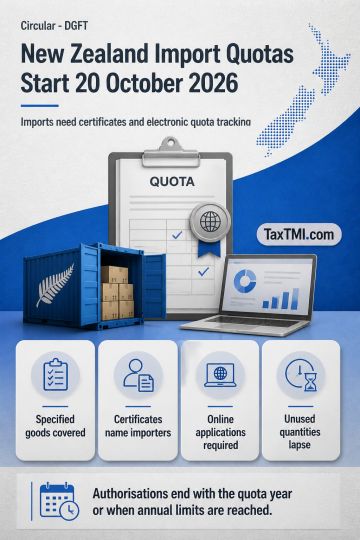
Tariff rate quota authorisations govern preferential imports of specified New Zealand goods through export certification and electronic customs debiti...
Electronic Continuity Bond Registration replaces manual container permissions, with quarterly reporting and re-export monitoring for duty-free contain...
CESTAT upheld penalty liability where the appellant admitted procuring third-party shipping bills for consideration and using them to falsely show fulfilment of EPCG export obligations. The Tribunal treated the cancelled licences and EODCs as confirming the fraudulent arrangement, and held that these acts rendered the goods liable to confiscation under section 111, attracting penalty under section 112(a). It also held that knowing use of false shipping bills and related documents in customs proceedings squarely attracted section 114AA. On proportionality, however, it considered the surrounding circumstances and reduced each penalty to Rs. 50,000, finding that amount sufficient to meet the ends of justice.
CESTAT upheld penalty liability where the appellant admitted procuring third-party shipping bills for consideration and using them to falsely show fulfilment of EPCG export obligations. The Tribunal treated the cancelled licences and EODCs as confirming the fraudulent arrangement, and held that these acts rendered the goods liable to confiscation under section 111, attracting penalty under section 112(a). It also held that knowing use of false shipping bills and related documents in customs proceedings squarely attracted section 114AA. On proportionality, however, it considered the surrounding circumstances and reduced each penalty to Rs. 50,000, finding that amount sufficient to meet the ends of justice.
Note: It is a system-generated summary and is for quick reference only.
 TaxTMI
  TaxTMI
 of 4920