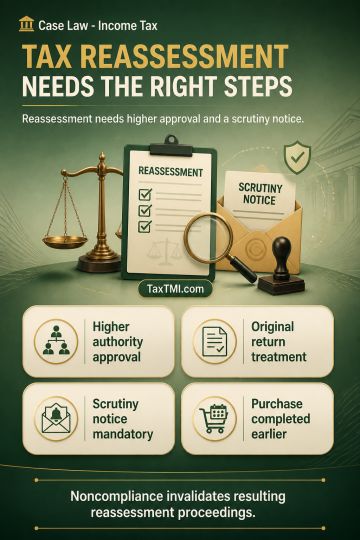
Opportunity to furnish unsecured-loan confirmations is required before reassessment initiation; proceedings require fresh consideration after taxpayer...
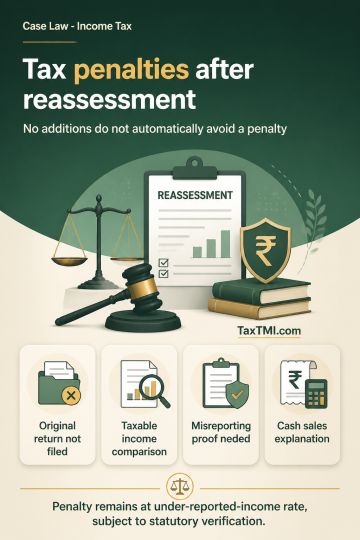
Under-reporting on a first reassessment return attracts penalty, while enhanced misreporting penalty requires proof of a statutory misreporting catego...
A security cheque was held unenforceable under the Negotiable Instruments Act because the complainant failed to prove a legally enforceable debt or liability on the date of presentation. The Court noted inconsistent versions about how the cheque came into the complainant's possession, non-examination of the intermediary witness, and no crystallised liability arising from contractual disputes at that stage. In an appeal against acquittal, the Court applied the settled rule that interference is justified only when the acquittal is palpably wrong or legally unsustainable. As the trial court's view was a possible and sound one, the strengthened presumption of innocence was not displaced and the acquittal was affirmed.
A security cheque was held unenforceable under the Negotiable Instruments Act because the complainant failed to prove a legally enforceable debt or liability on the date of presentation. The Court noted inconsistent versions about how the cheque came into the complainant's possession, non-examination of the intermediary witness, and no crystallised liability arising from contractual disputes at that stage. In an appeal against acquittal, the Court applied the settled rule that interference is justified only when the acquittal is palpably wrong or legally unsustainable. As the trial court's view was a possible and sound one, the strengthened presumption of innocence was not displaced and the acquittal was affirmed.
Note: It is a system-generated summary and is for quick reference only.
 TaxTMI
  TaxTMI
 of 4915