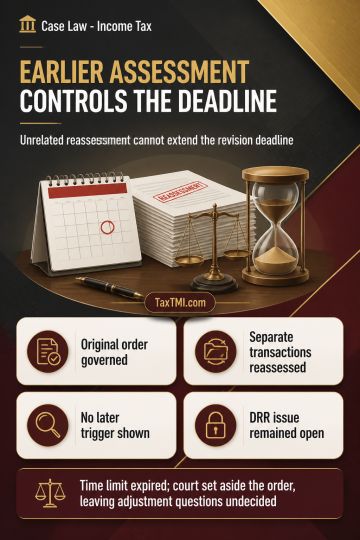
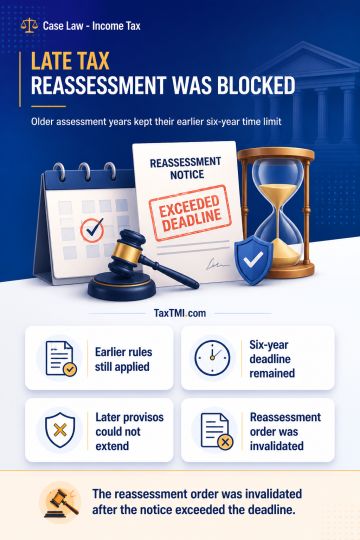
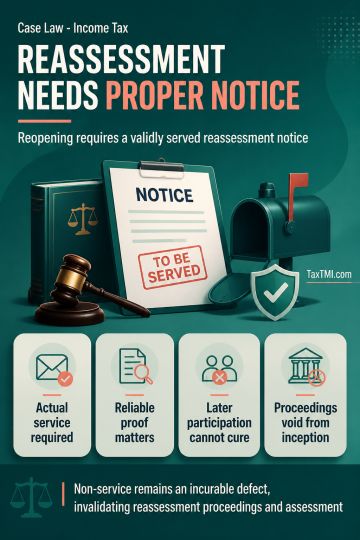
Pre-amendment reassessment limitation bars late notices under the preserved regime, invalidating consequential reassessment for affected earlier asses...
Cash-sales explanations for bank deposits require documentary reconciliation; reassessment notice survived where effective response time was available...
Functional comparability in transfer pricing prevents ad hoc arm's length adjustments where functions, assets, risks and reliable comparables are unes...
Duty could not be demanded on alleged diversion of duty-free imported marble where a substantial quantity was found in the factory and the balance allegation rested on internet material and section 108 statements that were not proved admissible under section 138B. The Tribunal held that such material was insufficient to establish diversion or duty liability, and set aside the duty demand with interest. Penalty under section 114A also failed because the alleged default was only a post-import non-fulfilment of exemption conditions, not non-levy caused by collusion, wilful misstatement, or suppression. Penalties under section 114AA were likewise unsustainable because no false declaration in the import documents was shown.
Duty could not be demanded on alleged diversion of duty-free imported marble where a substantial quantity was found in the factory and the balance allegation rested on internet material and section 108 statements that were not proved admissible under section 138B. The Tribunal held that such material was insufficient to establish diversion or duty liability, and set aside the duty demand with interest. Penalty under section 114A also failed because the alleged default was only a post-import non-fulfilment of exemption conditions, not non-levy caused by collusion, wilful misstatement, or suppression. Penalties under section 114AA were likewise unsustainable because no false declaration in the import documents was shown.
Note: It is a system-generated summary and is for quick reference only.
 TaxTMI
  TaxTMI
 of 4918