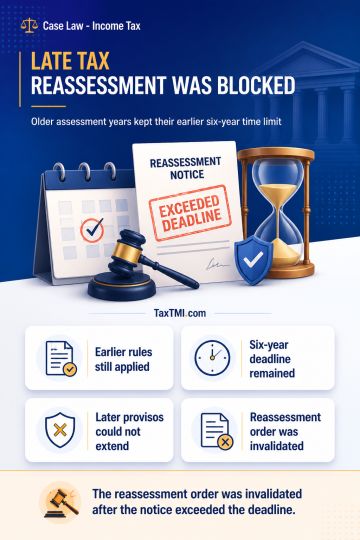
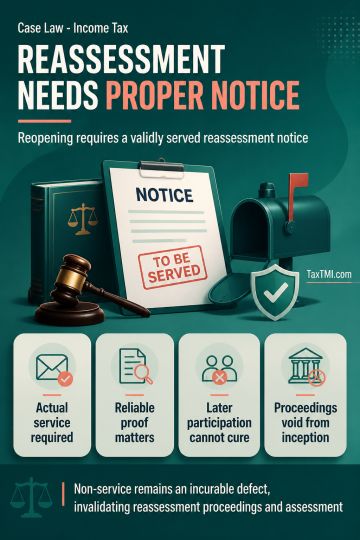
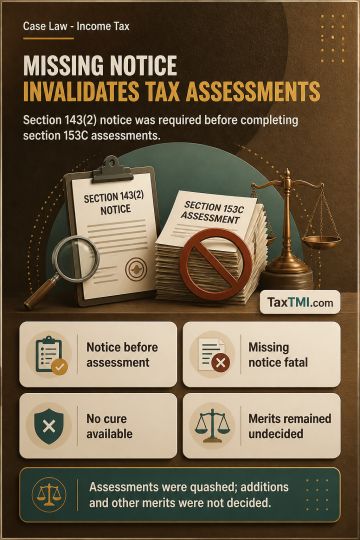
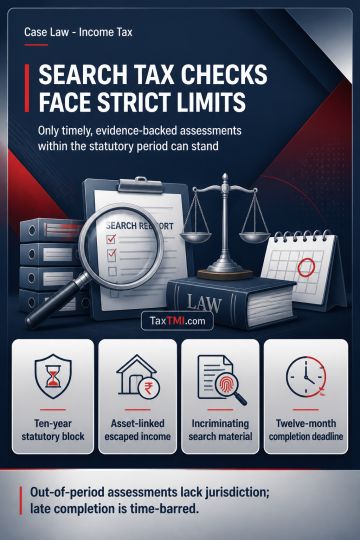
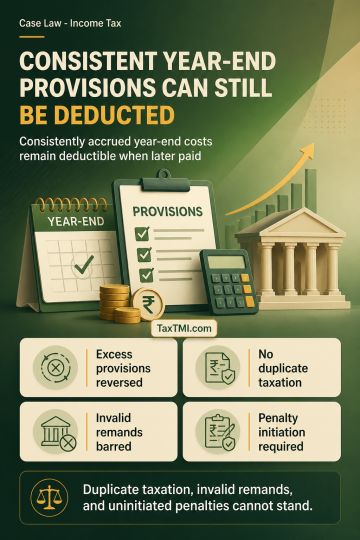
Pre-amendment reassessment limitation bars late notices under the preserved regime, invalidating consequential reassessment for affected earlier asses...
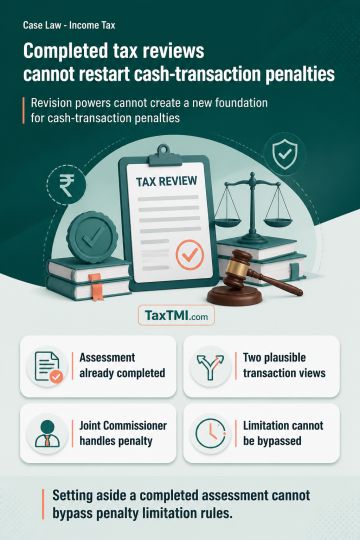
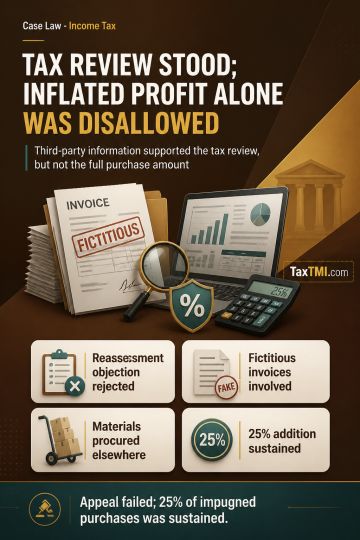
Cash-sales explanations for bank deposits require documentary reconciliation; reassessment notice survived where effective response time was available...
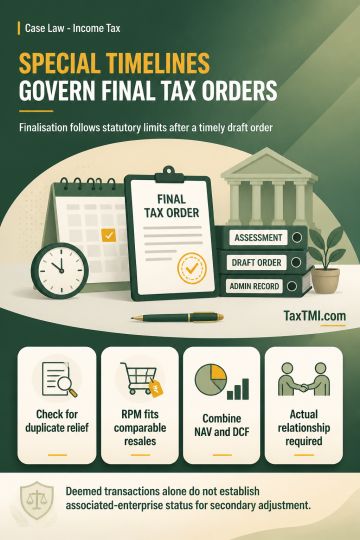
Functional comparability in transfer pricing prevents ad hoc arm's length adjustments where functions, assets, risks and reliable comparables are unes...
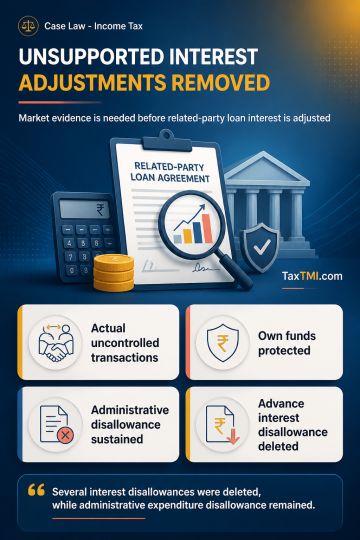
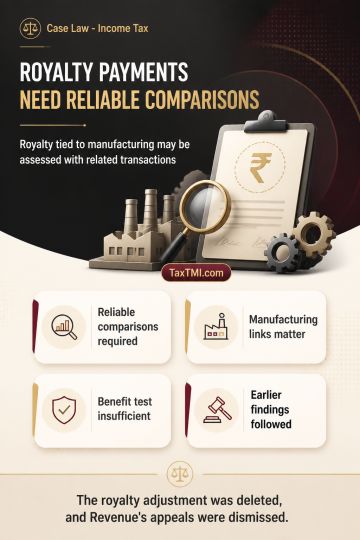
Contingency expenses, exempt-income disallowance, and royalty benchmarking: unsupported adjustments were deleted under consistent accounting and trans...
Section 7 proceedings based on a money decree cannot be used as a substitute for execution where the real dispute concerns computation of the decretal balance and ordinary enforcement remedies remain available. The Court reiterated that the IBC is meant for genuine insolvency and revival, not coercive debt recovery; on these facts, the corporate debtor was solvent, substantial payments had already been made, and the computation issue was already pending before the Delhi High Court. Although a money decree may in principle give rise to a fresh cause of action for insolvency proceedings, that principle is not automatic and the adjudicating forum must still guard against abuse. The NCLAT erred in treating the decree alone as sufficient; the insolvency application was restored to dismissal and execution was left open as the proper remedy.
Section 7 proceedings based on a money decree cannot be used as a substitute for execution where the real dispute concerns computation of the decretal balance and ordinary enforcement remedies remain available. The Court reiterated that the IBC is meant for genuine insolvency and revival, not coercive debt recovery; on these facts, the corporate debtor was solvent, substantial payments had already been made, and the computation issue was already pending before the Delhi High Court. Although a money decree may in principle give rise to a fresh cause of action for insolvency proceedings, that principle is not automatic and the adjudicating forum must still guard against abuse. The NCLAT erred in treating the decree alone as sufficient; the insolvency application was restored to dismissal and execution was left open as the proper remedy.
Note: It is a system-generated summary and is for quick reference only.
 TaxTMI
 TaxTMI

 of 4918