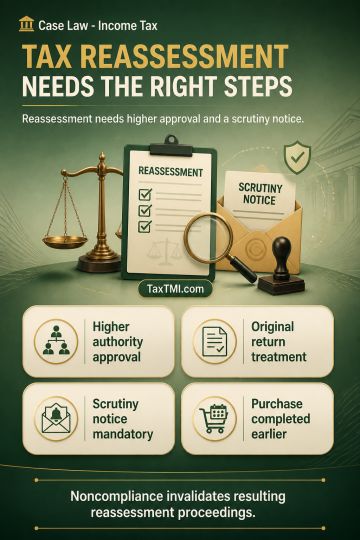
Opportunity to furnish unsecured-loan confirmations is required before reassessment initiation; proceedings require fresh consideration after taxpayer...
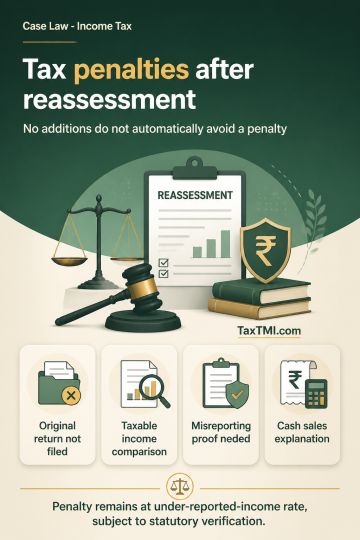
Under-reporting on a first reassessment return attracts penalty, while enhanced misreporting penalty requires proof of a statutory misreporting catego...
An advance ruling application is not maintainable where the same classification question is already pending in the applicant's own case before customs appellate fora or a court. The Authority held that disputes concerning Lithium Ion Cells and related components were already pending, and rejected the attempt to distinguish the cells by intended end use because classification turns on the goods' nature, composition and technical characteristics unless the tariff entry requires otherwise. It also held that the statutory bar applies to intrinsically connected goods and that partial admission is not contemplated; the application was therefore rejected in toto, with liberty to file a fresh application limited to goods not hit by the bar.
An advance ruling application is not maintainable where the same classification question is already pending in the applicant's own case before customs appellate fora or a court. The Authority held that disputes concerning Lithium Ion Cells and related components were already pending, and rejected the attempt to distinguish the cells by intended end use because classification turns on the goods' nature, composition and technical characteristics unless the tariff entry requires otherwise. It also held that the statutory bar applies to intrinsically connected goods and that partial admission is not contemplated; the application was therefore rejected in toto, with liberty to file a fresh application limited to goods not hit by the bar.
Note: It is a system-generated summary and is for quick reference only.
 TaxTMI
  TaxTMI
 of 4915