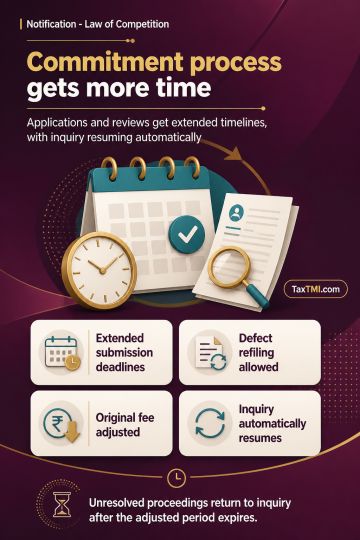
Commitment proceedings gain extended timelines, structured defect refiling, and automatic resumption of inquiry after the adjusted completion period e...
Merger control notice and disclosure rules: Supreme Court limits penalties, rejects reopening of approved combination, and sets aside adverse findings...
Abuse of dominant position allegations against an exchange found not prima facie; regulator reliance on sectoral expertise upheld and no investigation...
Bid-rigging was proved by direct and circumstantial email evidence showing coordinated bidding, allocation of shares, tender distribution, price discussions, bid withdrawal directions and continued receipt of cartel communications without dissociation; contravention under Sections 3(1) and 3(3)(a) to (d) was therefore affirmed. Once cartel conduct was established, the presumption of appreciable adverse effect on competition applied and was not rebutted; reliance on Rajasthan Cylinder was distinguished. The partner's liability under Section 48 was upheld, and penalty based on average income at the same rate as the firm was held proper. Challenges based on vacancy in composition and denial of cross-examination failed, and both appeals were dismissed.
Bid-rigging was proved by direct and circumstantial email evidence showing coordinated bidding, allocation of shares, tender distribution, price discussions, bid withdrawal directions and continued receipt of cartel communications without dissociation; contravention under Sections 3(1) and 3(3)(a) to (d) was therefore affirmed. Once cartel conduct was established, the presumption of appreciable adverse effect on competition applied and was not rebutted; reliance on Rajasthan Cylinder was distinguished. The partner's liability under Section 48 was upheld, and penalty based on average income at the same rate as the firm was held proper. Challenges based on vacancy in composition and denial of cross-examination failed, and both appeals were dismissed.
Note: It is a system-generated summary and is for quick reference only.
 TaxTMI
  TaxTMI