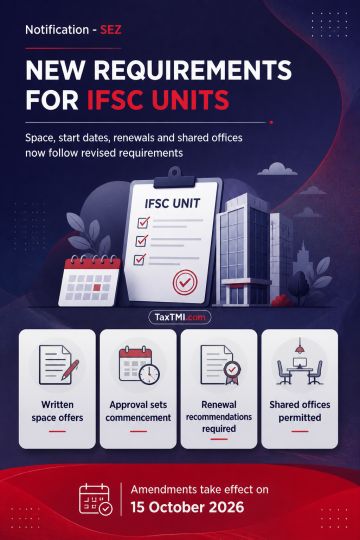
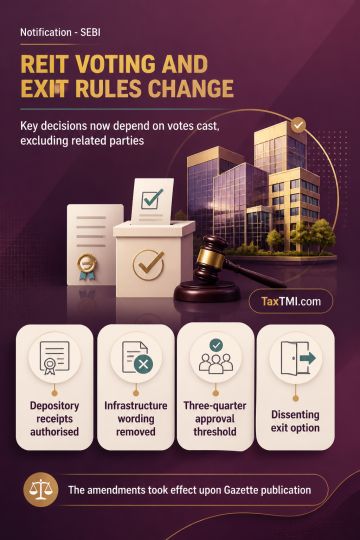
Accredited investor eligibility expands through securities-market exposure, while alternative investment fund disputes require prescribed resolution a...
Customs Assessment Portal centralises classification and valuation guidance to support consistent, transparent and informed compliance across stakehol...
Corpus donations were held exempt under section 11(1)(d) because the decisive factor is the donor's specific direction, not whether the trust deed separately authorises acceptance of such contributions. The donor letters described the receipts as corpus donations, and the Revenue did not dispute their genuineness or show diversion from the trust's objects. The Tribunal also applied consistency, noting that similar receipts had been accepted in later years on the same facts. As corpus receipts were excluded from income, the alleged shortfall in application of income could not survive; in any event, Form No. 9A had been filed before completion of assessment, supporting accumulation relief.
Corpus donations were held exempt under section 11(1)(d) because the decisive factor is the donor's specific direction, not whether the trust deed separately authorises acceptance of such contributions. The donor letters described the receipts as corpus donations, and the Revenue did not dispute their genuineness or show diversion from the trust's objects. The Tribunal also applied consistency, noting that similar receipts had been accepted in later years on the same facts. As corpus receipts were excluded from income, the alleged shortfall in application of income could not survive; in any event, Form No. 9A had been filed before completion of assessment, supporting accumulation relief.
Note: It is a system-generated summary and is for quick reference only.
 TaxTMI
  TaxTMI
 of 4921