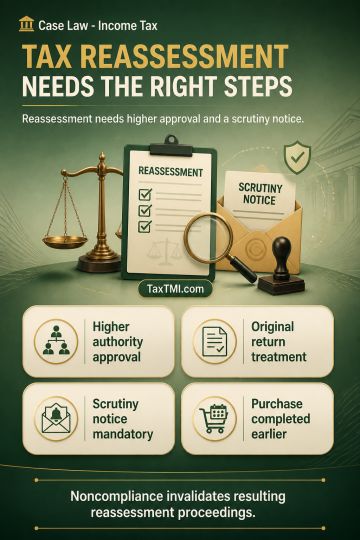
Opportunity to furnish unsecured-loan confirmations is required before reassessment initiation; proceedings require fresh consideration after taxpayer...
Under-reporting on a first reassessment return attracts penalty, while enhanced misreporting penalty requires proof of a statutory misreporting catego...
After the 01-04-2016 amendment, weighted deduction for in-house R&D under section 35(2AB) was confined to the expenditure quantified by the DSIR in Form 3CL, and the Assessing Officer could not allow a higher amount. MEIS receipts treated as capital receipts were not liable to addition in book profit under section 115JB unless they fell within the specific Explanation 1 adjustments, and a capital receipt not debited to profit and loss could not be added merely because of accounting treatment. Loss on investment in a wholly owned subsidiary was treated as business loss where the investment was made on commercial expediency to further business operations. Both the assessee's and Revenue's appeals were dismissed.
After the 01-04-2016 amendment, weighted deduction for in-house R&D under section 35(2AB) was confined to the expenditure quantified by the DSIR in Form 3CL, and the Assessing Officer could not allow a higher amount. MEIS receipts treated as capital receipts were not liable to addition in book profit under section 115JB unless they fell within the specific Explanation 1 adjustments, and a capital receipt not debited to profit and loss could not be added merely because of accounting treatment. Loss on investment in a wholly owned subsidiary was treated as business loss where the investment was made on commercial expediency to further business operations. Both the assessee's and Revenue's appeals were dismissed.
Note: It is a system-generated summary and is for quick reference only.
 TaxTMI
  TaxTMI
 of 4915