Pre-amendment reassessment limitation bars late notices under the preserved regime, invalidating consequential reassessment for affected earlier asses...
Cash-sales explanations for bank deposits require documentary reconciliation; reassessment notice survived where effective response time was available...
Functional comparability in transfer pricing prevents ad hoc arm's length adjustments where functions, assets, risks and reliable comparables are unes...
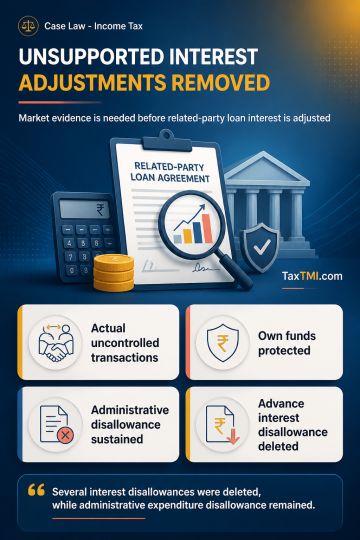
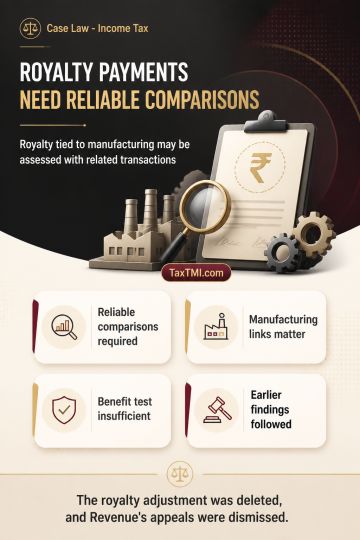
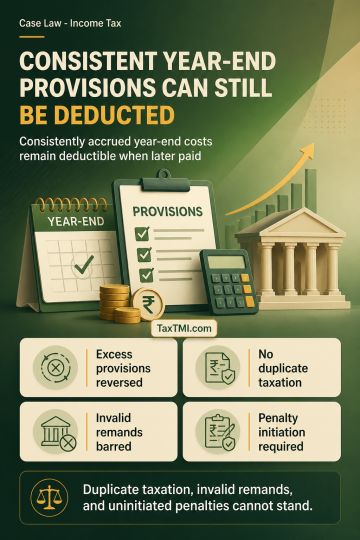
Contingency expenses, exempt-income disallowance, and royalty benchmarking: unsupported adjustments were deleted under consistent accounting and trans...
Failure to pass on input tax credit benefits under GST was found to constitute profiteering, as the post-GST ITC-to-purchase ratio increased on verified audited figures and the respondent retained the additional benefit instead of passing it to homebuyers. The determined profiteered amount was ordered to be refunded to eligible homebuyers with interest at 18% per annum from the respective dates of collection until refund. Penalty under Section 171(3A) was not imposed because the violation period predated its commencement and the respondent had refunded the amount, attracting the statutory proviso against penalty.
Failure to pass on input tax credit benefits under GST was found to constitute profiteering, as the post-GST ITC-to-purchase ratio increased on verified audited figures and the respondent retained the additional benefit instead of passing it to homebuyers. The determined profiteered amount was ordered to be refunded to eligible homebuyers with interest at 18% per annum from the respective dates of collection until refund. Penalty under Section 171(3A) was not imposed because the violation period predated its commencement and the respondent had refunded the amount, attracting the statutory proviso against penalty.
Note: It is a system-generated summary and is for quick reference only.
 TaxTMI
 TaxTMI

 of 4921