Electronic evidence and search statements in tax assessments require authenticity review and corroboration, while procedural manuals lack statutory fo...
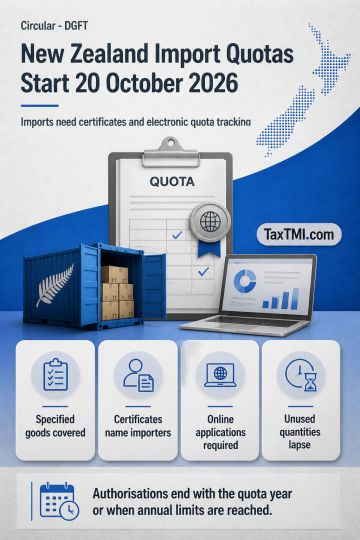
Tariff rate quota authorisations govern preferential imports of specified New Zealand goods through export certification and electronic customs debiti...
Electronic Continuity Bond Registration replaces manual container permissions, with quarterly reporting and re-export monitoring for duty-free contain...
An importer may claim entitlement under Notification No.99/2011-CUS (SAFTA exemption) belatedly, including post-clearance or at appellate stage, provided the notification conditions are met; lack of claim at initial self-assessment does not create estoppel and authorities must grant admissible legal benefits when eligibility is shown. Where imports were provisionally assessed, provisional clearance does not bar reconsideration; the proper remedial step is remand to the original authority to examine SAFTA certificates and, if admissible, grant the exemption while finalizing provisional assessments. Denial solely because the claim was not made at clearance or was premature is unsustainable.
An importer may claim entitlement under Notification No.99/2011-CUS (SAFTA exemption) belatedly, including post-clearance or at appellate stage, provided the notification conditions are met; lack of claim at initial self-assessment does not create estoppel and authorities must grant admissible legal benefits when eligibility is shown. Where imports were provisionally assessed, provisional clearance does not bar reconsideration; the proper remedial step is remand to the original authority to examine SAFTA certificates and, if admissible, grant the exemption while finalizing provisional assessments. Denial solely because the claim was not made at clearance or was premature is unsustainable.
Note: It is a system-generated summary and is for quick reference only.
 TaxTMI
 TaxTMI

 of 4921