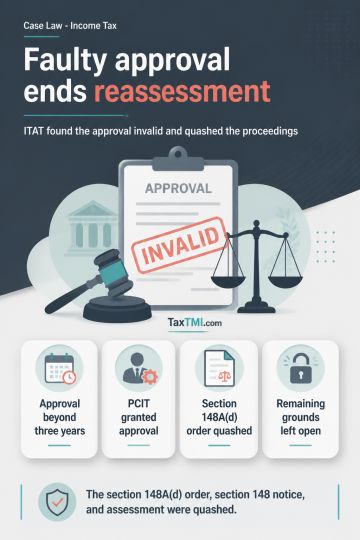
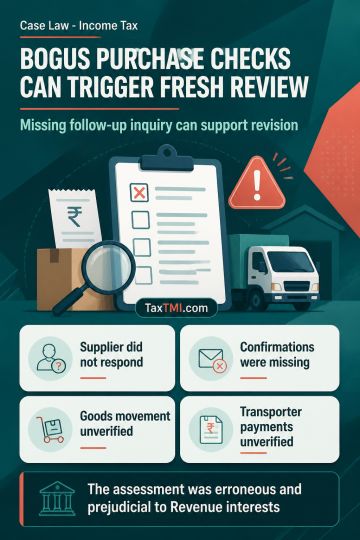
Electronic evidence and search statements in tax assessments require authenticity review and corroboration, while procedural manuals lack statutory fo...
Tariff rate quota authorisations govern preferential imports of specified New Zealand goods through export certification and electronic customs debiti...
Electronic Continuity Bond Registration replaces manual container permissions, with quarterly reporting and re-export monitoring for duty-free contain...
When a product falls within both a general tariff entry and a specific entry, the specific entry prevails; Active Pharmaceutical Ingredients (APIs) and bulk drugs satisfy the statutory definition of "drug" and are classifiable under the specific entry SI. No. 226 for tariff rate purposes rather than under general chemical headings. The statutory definition of drug is wide and expressly includes substances intended as components of drugs, and regulatory treatment and definitions across drug control rules confirm that APIs retain their character as drugs even when imported for testing, bioequivalence, bioavailability or clinical trials. Consequently, APIs/bulk drugs attract IGST as per SI. No. 226 except where a nil-rated entry applies.
When a product falls within both a general tariff entry and a specific entry, the specific entry prevails; Active Pharmaceutical Ingredients (APIs) and bulk drugs satisfy the statutory definition of "drug" and are classifiable under the specific entry SI. No. 226 for tariff rate purposes rather than under general chemical headings. The statutory definition of drug is wide and expressly includes substances intended as components of drugs, and regulatory treatment and definitions across drug control rules confirm that APIs retain their character as drugs even when imported for testing, bioequivalence, bioavailability or clinical trials. Consequently, APIs/bulk drugs attract IGST as per SI. No. 226 except where a nil-rated entry applies.
Note: It is a system-generated summary and is for quick reference only.
 TaxTMI
 TaxTMI

 of 4921