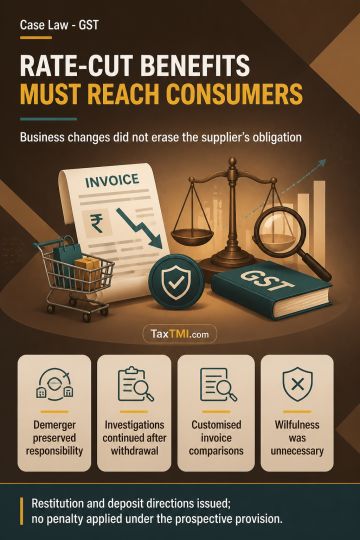
Anti-profiteering obligations survive business demerger, complaint withdrawal, and customized supply arrangements where rate-reduction benefits are no...
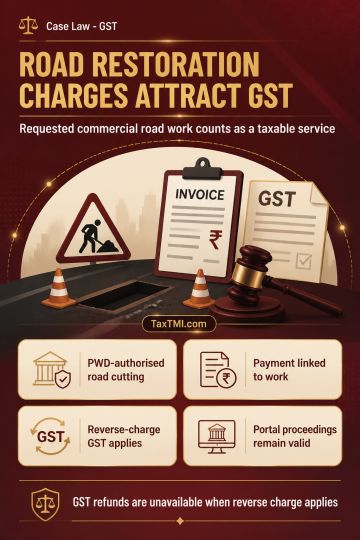
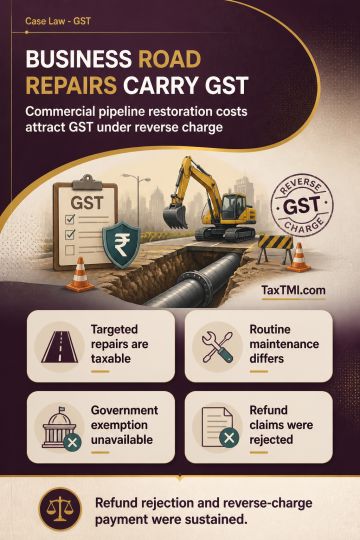
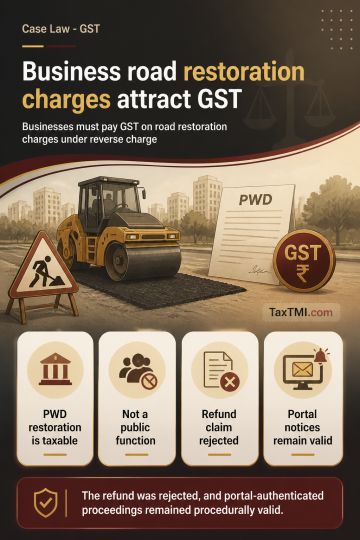
Road restoration charges constitute taxable services when requested for commercial pipeline activity, requiring reverse-charge GST from the business r...
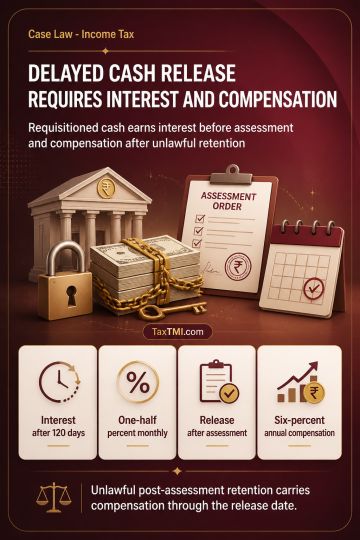
Interest on delayed release of requisitioned cash includes statutory pre-assessment interest and restitutionary compensation for unlawful post-assessm...
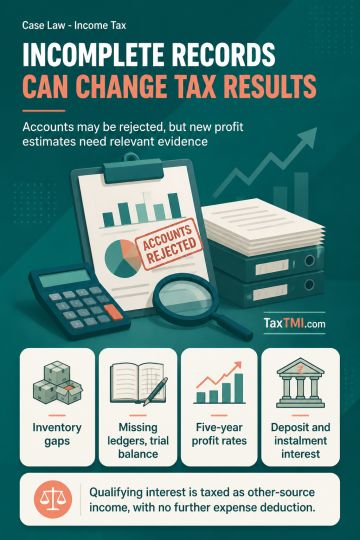
Incomplete inventory records justify rejecting accounts, while profit estimation requires relevant comparable material and interest falls under other ...
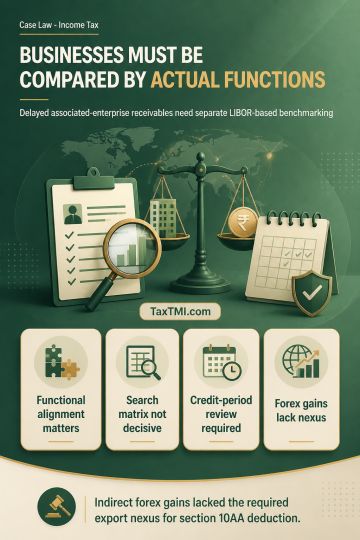
Transfer-pricing comparability requires functional alignment; delayed associated-enterprise receivables need separate LIBOR-based benchmarking, while ...
The article determines that the applicant institute qualifies as a specified person required to deduct TDS under Section 51 read with Notification No.50/2018 CT because substantial regulatory control (not day to day operational control) by the Central Government exists; Supreme Court precedent overrides administrative circulars. It clarifies that "control" denotes regulatory authority sufficient to trigger notification coverage. On contractual threshold, where supply is continuous and performed in parts, the contract as a whole-aggregating all part invoices-determines the threshold for TDS; separate contracts are assessed individually. Outcome: the institute is liable to deduct TDS.
The article determines that the applicant institute qualifies as a specified person required to deduct TDS under Section 51 read with Notification No.50/2018 CT because substantial regulatory control (not day to day operational control) by the Central Government exists; Supreme Court precedent overrides administrative circulars. It clarifies that "control" denotes regulatory authority sufficient to trigger notification coverage. On contractual threshold, where supply is continuous and performed in parts, the contract as a whole-aggregating all part invoices-determines the threshold for TDS; separate contracts are assessed individually. Outcome: the institute is liable to deduct TDS.
Note: It is a system-generated summary and is for quick reference only.
 TaxTMI
  TaxTMI
 of 4912