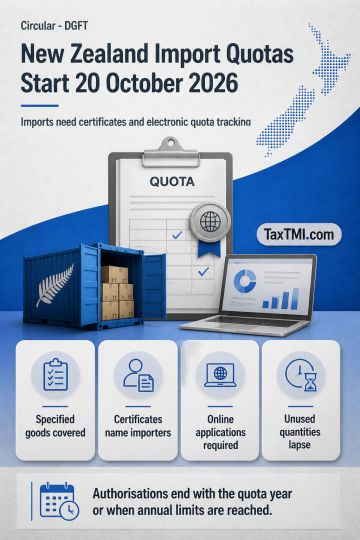
Tariff rate quota authorisations govern preferential imports of specified New Zealand goods through export certification and electronic customs debiti...
Electronic Continuity Bond Registration replaces manual container permissions, with quarterly reporting and re-export monitoring for duty-free contain...
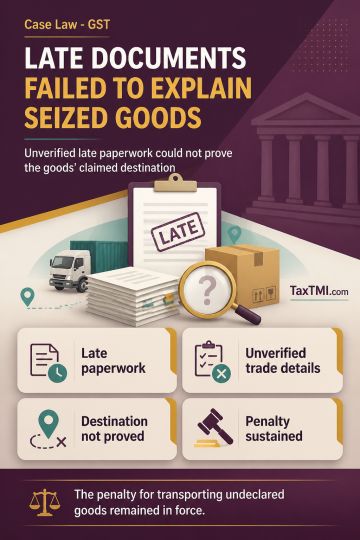
Delayed transport documents failed to validate intercepted goods, sustaining transit-state penalties where the claimed interstate destination remained...
Classification of goods turned on technical composition and SAFTA eligibility; the tribunal applied precedent to hold that low nickel content (including around 1%) does not itself exclude SAFTA benefit and that the personal technical knowledge attributed to the Customs House Agent (CHA) was insufficient to establish culpability. On that basis the tribunal concluded the record does not support invocation of penalty under section 112(b) of the Customs Act and set aside the penalty, granting consequential relief.
Classification of goods turned on technical composition and SAFTA eligibility; the tribunal applied precedent to hold that low nickel content (including around 1%) does not itself exclude SAFTA benefit and that the personal technical knowledge attributed to the Customs House Agent (CHA) was insufficient to establish culpability. On that basis the tribunal concluded the record does not support invocation of penalty under section 112(b) of the Customs Act and set aside the penalty, granting consequential relief.
Note: It is a system-generated summary and is for quick reference only.
 TaxTMI
 TaxTMI