Customs Assessment Portal centralises classification and valuation guidance to support consistent, transparent and informed compliance across stakehol...
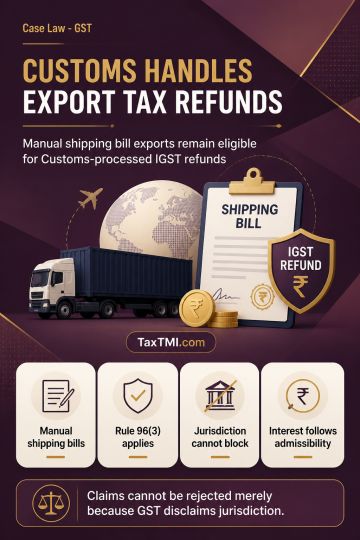
GST refunds for cancelled air tickets remain available when passenger reimbursements defeat unjust enrichment and credit-note adjustment is unavailabl...
The dispute centered on whether a later order merged an earlier interim order, the scope of trustee-like powers vested in a court-constituted committee, and the comparative applicability of regulatory provision versus the Companies (Court) Rules. The court found the 2013 order to be open-ended and contingent, so the doctrine of merger did not apply. It recognised that the three-member committee was vested with trustee-like authority and that termination of the asset management company did not extinguish prior liabilities, leaving statutory authorities free to proceed. The court held Rule 9 preserves inherent court powers distinct from the regulatory provision, and dismissed the appeals.
The dispute centered on whether a later order merged an earlier interim order, the scope of trustee-like powers vested in a court-constituted committee, and the comparative applicability of regulatory provision versus the Companies (Court) Rules. The court found the 2013 order to be open-ended and contingent, so the doctrine of merger did not apply. It recognised that the three-member committee was vested with trustee-like authority and that termination of the asset management company did not extinguish prior liabilities, leaving statutory authorities free to proceed. The court held Rule 9 preserves inherent court powers distinct from the regulatory provision, and dismissed the appeals.
Note: It is a system-generated summary and is for quick reference only.
 TaxTMI
  TaxTMI
 of 4916