Capital-gains exemption for charitable trusts extends to qualifying fixed deposits, while unrecoverable TDS write-offs may constitute income applicati...
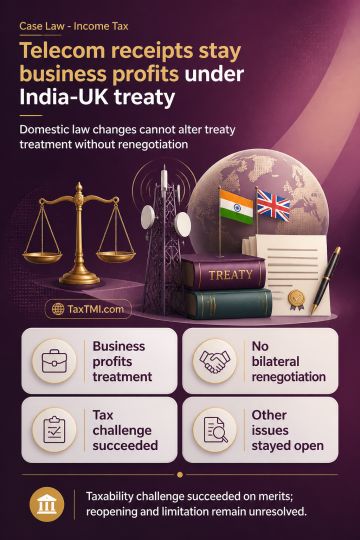
India-UK treaty characterisation of telecom-service receipts as business profits withstands unilateral domestic-law amendments for Indian tax purposes...
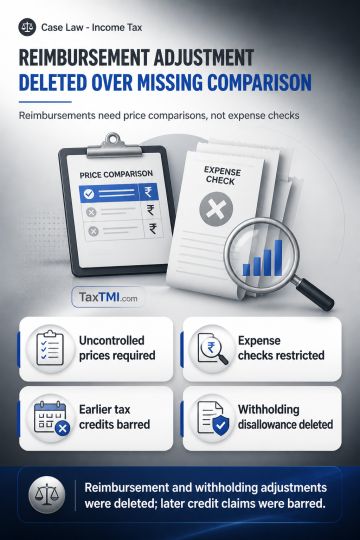
Transfer-pricing reimbursement adjustments require uncontrolled comparables and cannot become expense-genuineness reviews, resulting in deletion of th...
Where the statutory time limit to file an appeal under s.107 of the GST enactments had expired, the court held that the assessee could still be granted limited writ relief by quashing the assessment orders and remitting the matters for fresh adjudication, consistent with prior practice of conditioning remand on a substantial deposit proportionate to delay. Accordingly, the impugned orders were set aside and the matters remanded, subject to the assessee depositing, in cash through the electronic cash ledger within 30 days, 50% of the disputed tax relating to demands confirmed on account of GSTR-3B/GSTR-2A mismatch and ineligible input tax credit. - HC
Where the statutory time limit to file an appeal under s.107 of the GST enactments had expired, the court held that the assessee could still be granted limited writ relief by quashing the assessment orders and remitting the matters for fresh adjudication, consistent with prior practice of conditioning remand on a substantial deposit proportionate to delay. Accordingly, the impugned orders were set aside and the matters remanded, subject to the assessee depositing, in cash through the electronic cash ledger within 30 days, 50% of the disputed tax relating to demands confirmed on account of GSTR-3B/GSTR-2A mismatch and ineligible input tax credit. - HC
Note: It is a system-generated summary and is for quick reference only.
 TaxTMI
  TaxTMI
 of 4886