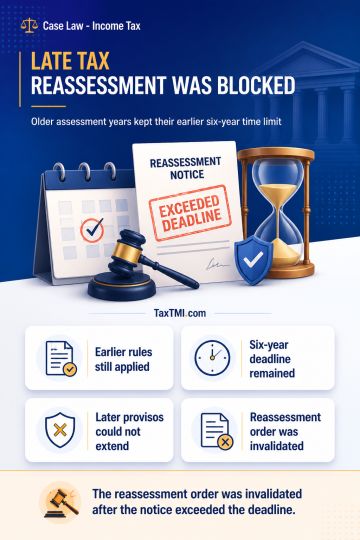
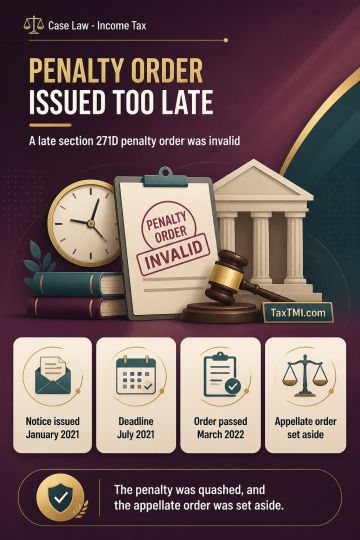
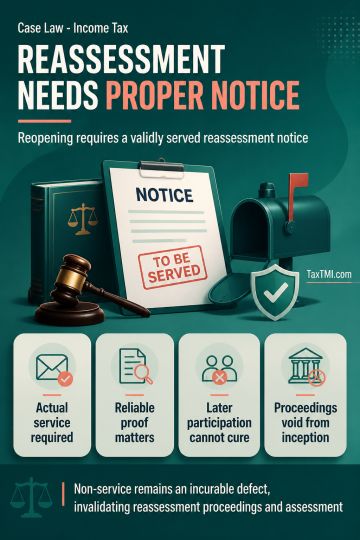
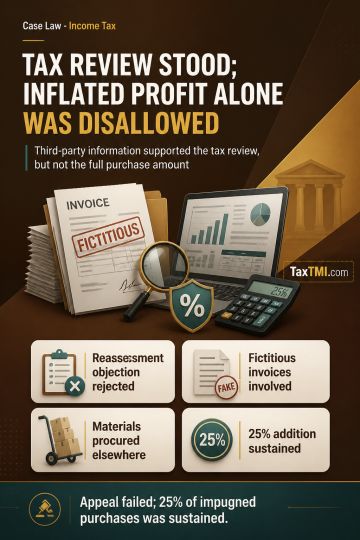
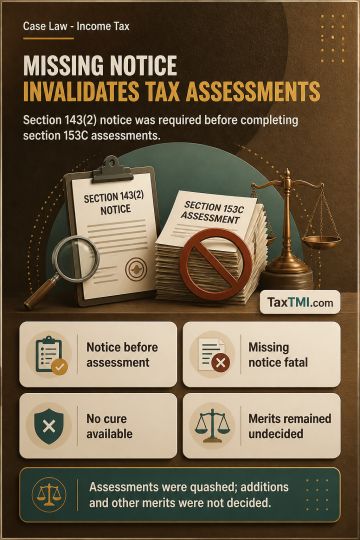
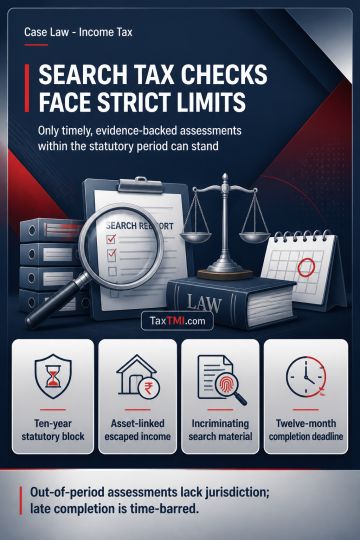
Pre-amendment reassessment limitation bars late notices under the preserved regime, invalidating consequential reassessment for affected earlier asses...
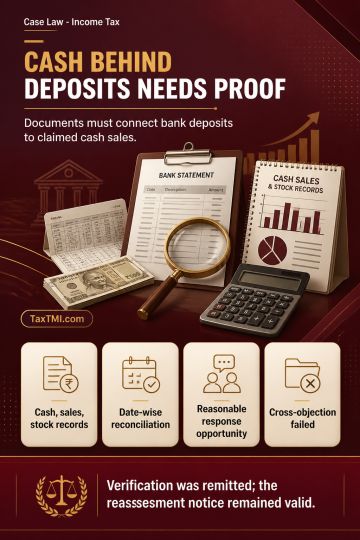
Cash-sales explanations for bank deposits require documentary reconciliation; reassessment notice survived where effective response time was available...
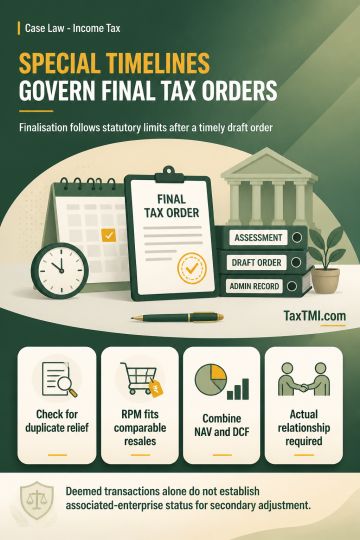
Functional comparability in transfer pricing prevents ad hoc arm's length adjustments where functions, assets, risks and reliable comparables are unes...
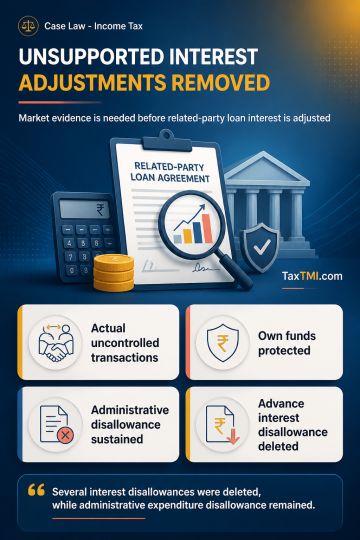
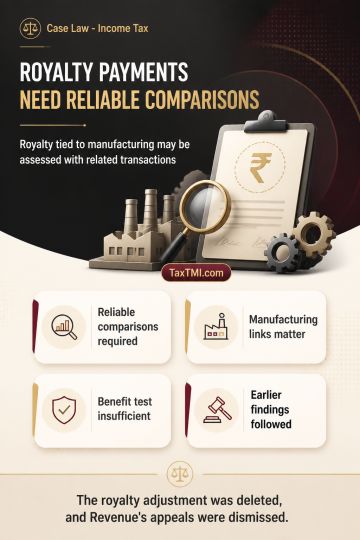
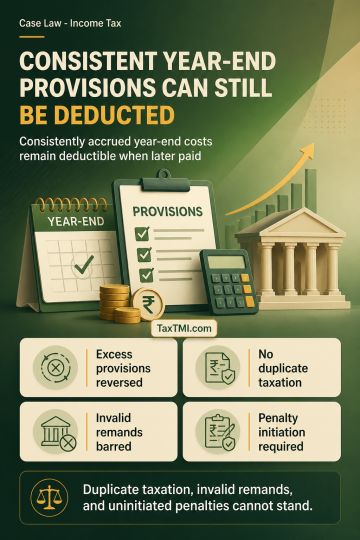
Contingency expenses, exempt-income disallowance, and royalty benchmarking: unsupported adjustments were deleted under consistent accounting and trans...
The dominant issue was whether the Section 9 IBC application filed on 06.05.2021 was within limitation. Since the claim was founded on the last invoice dated 07.11.2016, the right to apply accrued on 07.11.2016 and limitation was governed by Article 137 of the Limitation Act, not Article 1 on running accounts; a later invoice raised by the corporate debtor on 29.11.2018 could not shift the date of default, rendering the application time-barred. The tribunal also erred in relying on unilateral invoice terms on interest, which were inconsistent and not shown to be accepted by the corporate debtor. The impugned order was set aside and the appeal was allowed. - NCLAT
The dominant issue was whether the Section 9 IBC application filed on 06.05.2021 was within limitation. Since the claim was founded on the last invoice dated 07.11.2016, the right to apply accrued on 07.11.2016 and limitation was governed by Article 137 of the Limitation Act, not Article 1 on running accounts; a later invoice raised by the corporate debtor on 29.11.2018 could not shift the date of default, rendering the application time-barred. The tribunal also erred in relying on unilateral invoice terms on interest, which were inconsistent and not shown to be accepted by the corporate debtor. The impugned order was set aside and the appeal was allowed. - NCLAT
Note: It is a system-generated summary and is for quick reference only.
 TaxTMI
 TaxTMI

 of 4918