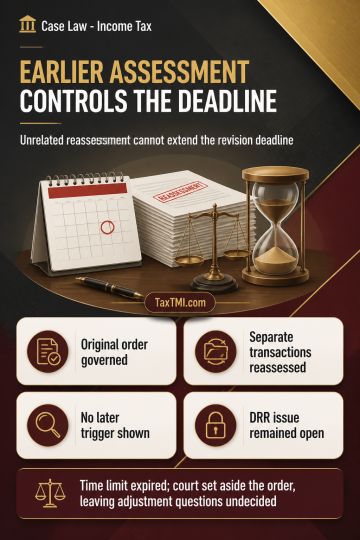
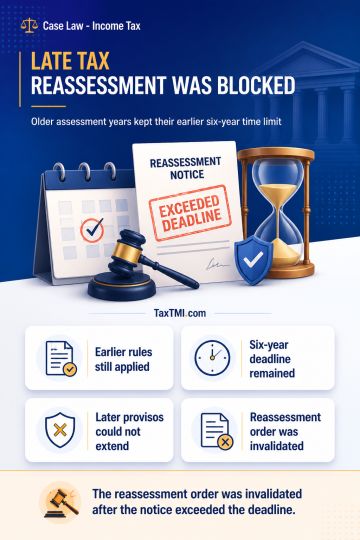
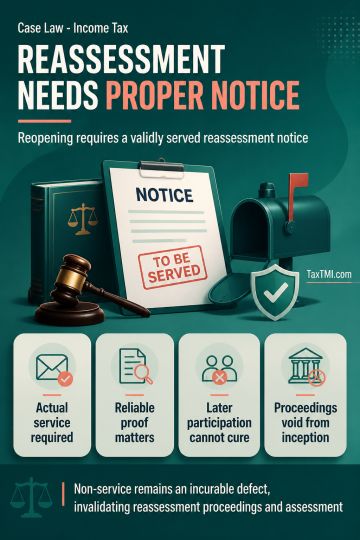
Pre-amendment reassessment limitation bars late notices under the preserved regime, invalidating consequential reassessment for affected earlier asses...
Cash-sales explanations for bank deposits require documentary reconciliation; reassessment notice survived where effective response time was available...
Functional comparability in transfer pricing prevents ad hoc arm's length adjustments where functions, assets, risks and reliable comparables are unes...
The dominant issue was whether a financial creditor's claim in the corporate debtor's CIRP could be rejected merely because the creditor had not invoked the corporate guarantee. Relying on SC precedent distinguishing "claim", "debt" and "default", and holding that enforceability impediments (including moratorium) or non-arising of cause of action to invoke the guarantee do not negate the existence of a claim, the tribunal held that invocation of the guarantee is not a precondition to admission of the claim. Consequently, the impugned order was set aside and the resolution professional was directed to verify and admit the creditor's claim without requiring proof of guarantee invocation; the appeal was allowed. - NCLAT
The dominant issue was whether a financial creditor's claim in the corporate debtor's CIRP could be rejected merely because the creditor had not invoked the corporate guarantee. Relying on SC precedent distinguishing "claim", "debt" and "default", and holding that enforceability impediments (including moratorium) or non-arising of cause of action to invoke the guarantee do not negate the existence of a claim, the tribunal held that invocation of the guarantee is not a precondition to admission of the claim. Consequently, the impugned order was set aside and the resolution professional was directed to verify and admit the creditor's claim without requiring proof of guarantee invocation; the appeal was allowed. - NCLAT
Note: It is a system-generated summary and is for quick reference only.
 TaxTMI
 TaxTMI

 of 4918