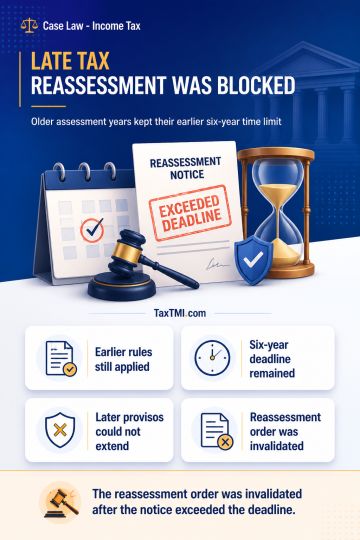
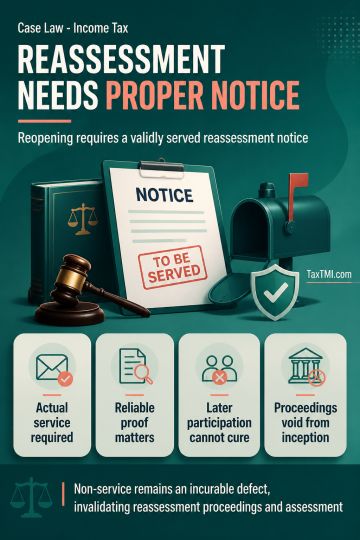
Pre-amendment reassessment limitation bars late notices under the preserved regime, invalidating consequential reassessment for affected earlier asses...
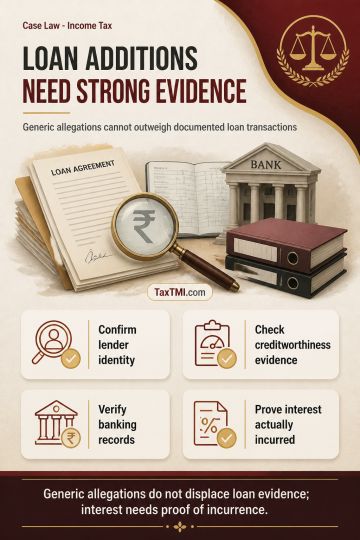
Cash-sales explanations for bank deposits require documentary reconciliation; reassessment notice survived where effective response time was available...
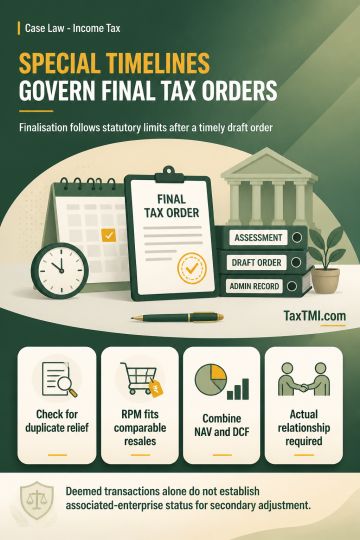
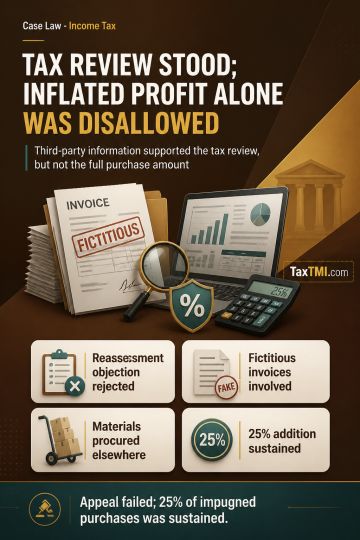
Functional comparability in transfer pricing prevents ad hoc arm's length adjustments where functions, assets, risks and reliable comparables are unes...
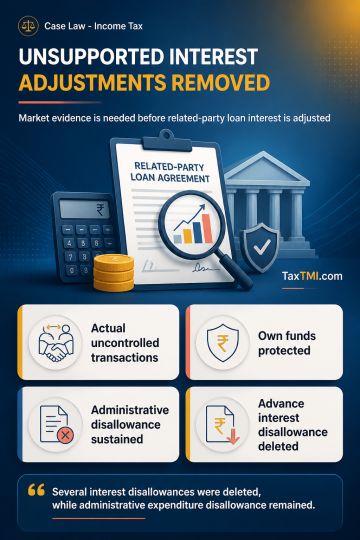
Contingency expenses, exempt-income disallowance, and royalty benchmarking: unsupported adjustments were deleted under consistent accounting and trans...
The dominant issue was whether an approved resolution plan could...
Insolvency resolution plan's loan assignment between approving and dissenting creditors: post-approval redistribution blocked; original distribution enforced, appeal dismissed.
Contents
Summary
Note
Bookmark
Share
✓ Copied successfully !
Print
Print Options
For full text, please login
Login to TaxTMI
Verification Pending
The Email Id has not been verified. Click on the link we have sent on
The dominant issue was whether an approved resolution plan could be modified to reassign a loan component from approving financial creditors to dissenting financial creditors by treating dissenters as "other entity" under the plan. The plan's clauses expressly contemplated assignment of the loan and distribution of the balance resolution amount to approving financial creditors, including that loan, and any attempt to alter this post-approval would change the agreed distribution mechanism. Since Section 30(4) makes the CoC-approved plan binding and the CoC's commercial wisdom is confined to approval, it cannot be invoked later to justify impermissible modifications. The application seeking enforcement of the original plan was rightly allowed and the appeal challenging it was dismissed - NCLAT
The dominant issue was whether an approved resolution plan could be modified to reassign a loan component from approving financial creditors to dissenting financial creditors by treating dissenters as "other entity" under the plan. The plan's clauses expressly contemplated assignment of the loan and distribution of the balance resolution amount to approving financial creditors, including that loan, and any attempt to alter this post-approval would change the agreed distribution mechanism. Since Section 30(4) makes the CoC-approved plan binding and the CoC's commercial wisdom is confined to approval, it cannot be invoked later to justify impermissible modifications. The application seeking enforcement of the original plan was rightly allowed and the appeal challenging it was dismissed - NCLAT
Note: It is a system-generated summary and is for quick reference only.
 TaxTMI
 TaxTMI

 of 4921