Human-probability test defeats political donation deductions where banking records mask accommodation-entry fund layering rather than genuine contribu...
Electronic evidence and search statements in tax assessments require authenticity review and corroboration, while procedural manuals lack statutory fo...
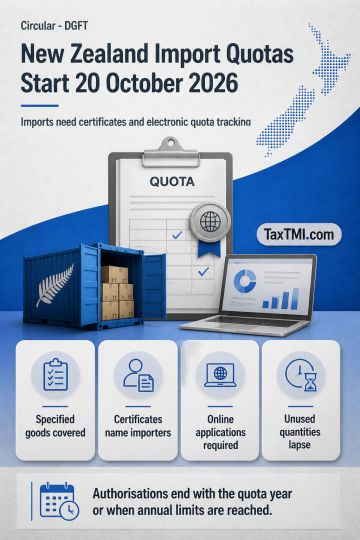
Tariff rate quota authorisations govern preferential imports of specified New Zealand goods through export certification and electronic customs debiti...
Electronic Continuity Bond Registration replaces manual container permissions, with quarterly reporting and re-export monitoring for duty-free contain...
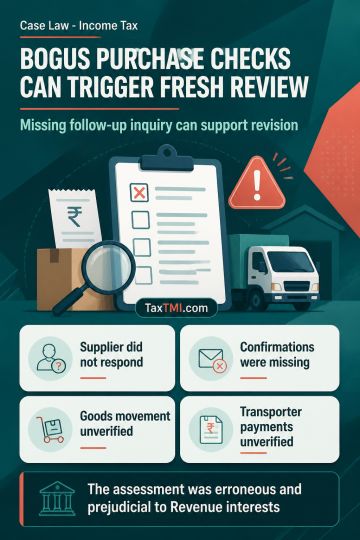
Addition under s.69C for alleged bogus purchases was unsustainable because the precondition for s.69C is proof of a genuinely incurred expenditure whose source remains unexplained. Since the assessee's books were not rejected under s.145(3), the purchases were recorded in regular books, and bank statements evidenced sufficient balances and payments, the source of the purchase expenditure was not in dispute. Consequently, s.69C could not be invoked, and the estimated disallowance/profit element addition at 12.5% of purchase value was deleted; the appeal was allowed. - ITAT
Addition under s.69C for alleged bogus purchases was unsustainable because the precondition for s.69C is proof of a genuinely incurred expenditure whose source remains unexplained. Since the assessee's books were not rejected under s.145(3), the purchases were recorded in regular books, and bank statements evidenced sufficient balances and payments, the source of the purchase expenditure was not in dispute. Consequently, s.69C could not be invoked, and the estimated disallowance/profit element addition at 12.5% of purchase value was deleted; the appeal was allowed. - ITAT
Note: It is a system-generated summary and is for quick reference only.
 TaxTMI
 TaxTMI

 of 4920