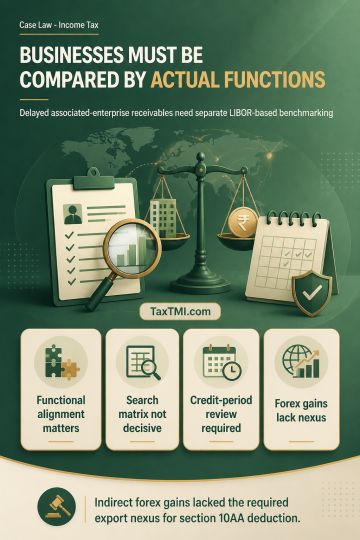
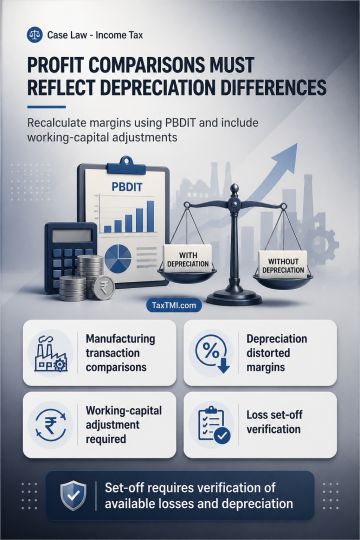
Transfer-pricing comparability requires functional alignment; delayed associated-enterprise receivables need separate LIBOR-based benchmarking, while ...
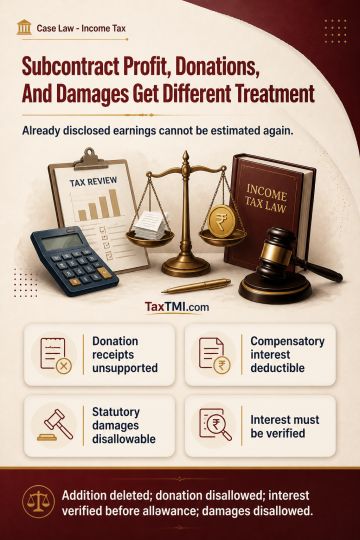
Extended reassessment limitation in search cases requires asset-linked escaped income, invalidating additions based only on unexplained money or expen...
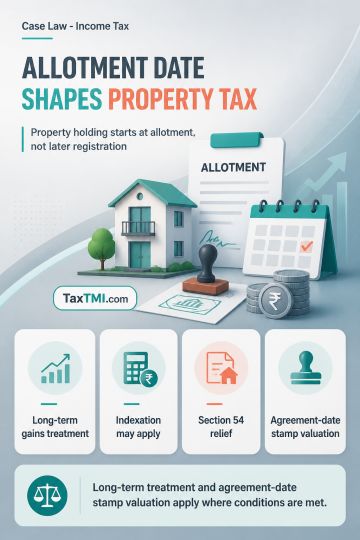
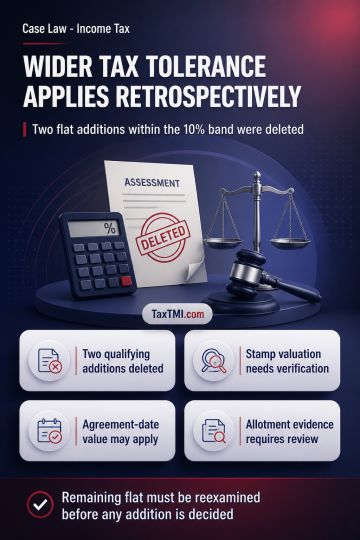
Enhanced tolerance band under section 43CA applies retrospectively, deleting qualifying deemed-sale additions while disputed stamp valuation requires ...
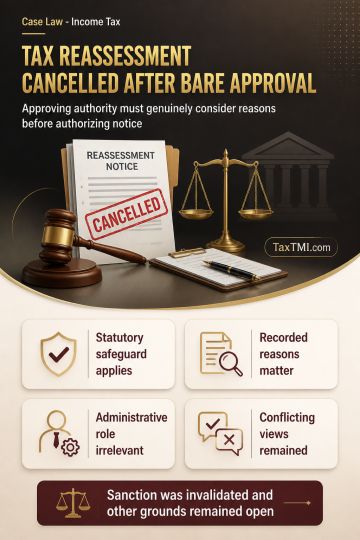
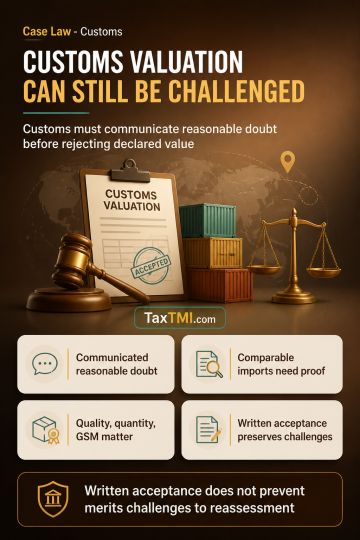
Customs transaction value rejection requires communicated reasonable doubt, while written reassessment acceptance preserves challenges to enhanced val...
Challenge-mechanism compliance clarifications permitted, while unilateral revised resolution plans may be refused under creditors' commercial discreti...
ITAT allowed the assessee's appeal. It held that, for transfer pricing/section 80-IA(10)/80-IC purposes, the operating profit margin of the manufacturing unit located in a backward area of Himachal Pradesh must be computed excluding the benefit of excise duty and CST waivers, following the coordinate bench view that excise duty, sales tax and income tax are to be excluded from operating profits. Further, ITAT accepted the assessee's additional ground that excise duty exemption availed in the 10th year of operations constituted a capital receipt, relying on HC precedent treating such subsidies/exemptions, granted to promote industrial development and employment generation, as capital in nature while computing income under normal provisions.
ITAT allowed the assessee's appeal. It held that, for transfer pricing/section 80-IA(10)/80-IC purposes, the operating profit margin of the manufacturing unit located in a backward area of Himachal Pradesh must be computed excluding the benefit of excise duty and CST waivers, following the coordinate bench view that excise duty, sales tax and income tax are to be excluded from operating profits. Further, ITAT accepted the assessee's additional ground that excise duty exemption availed in the 10th year of operations constituted a capital receipt, relying on HC precedent treating such subsidies/exemptions, granted to promote industrial development and employment generation, as capital in nature while computing income under normal provisions.
Note: It is a system-generated summary and is for quick reference only.
 TaxTMI
 TaxTMI

 of 4916