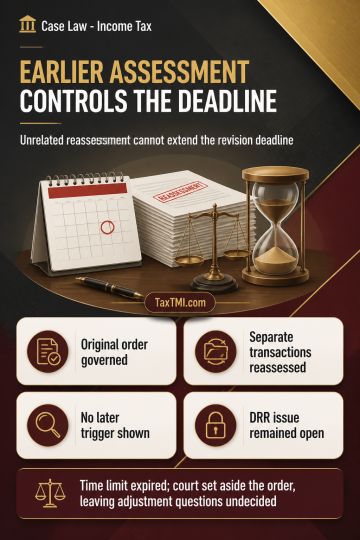
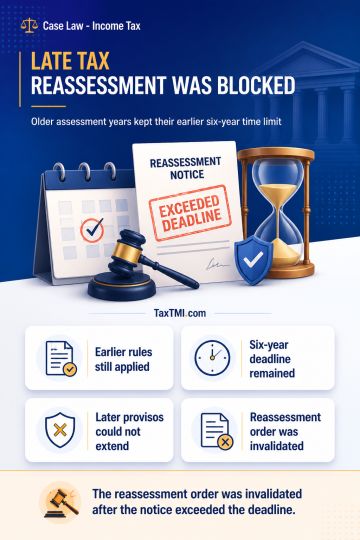
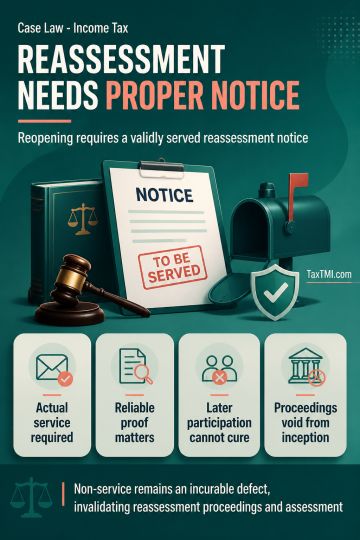
Pre-amendment reassessment limitation bars late notices under the preserved regime, invalidating consequential reassessment for affected earlier asses...
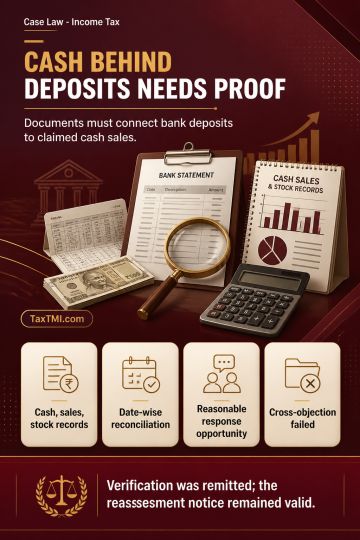
Cash-sales explanations for bank deposits require documentary reconciliation; reassessment notice survived where effective response time was available...
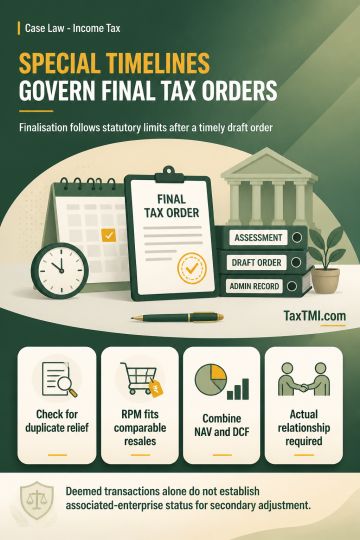
Functional comparability in transfer pricing prevents ad hoc arm's length adjustments where functions, assets, risks and reliable comparables are unes...
CESTAT dismissed the customs appeals filed by the appellant challenging reassessment of bills of entry under Section 17(4) of the Customs Act, 1962. The Tribunal noted repeated non-appearance of the appellant/counsel and held that, in view of Section 129D(1A), no justification existed for granting adjournments beyond the statutory maximum of three, relying on SC precedent deprecating mechanical adjournments. On merits, following the jurisdictional HC ruling in a similar matter, CESTAT held that the appellant had unequivocally accepted the reassessment in writing, leaving no occasion for a further speaking order. The appeals were therefore dismissed both for non-prosecution and on merits.
CESTAT dismissed the customs appeals filed by the appellant challenging reassessment of bills of entry under Section 17(4) of the Customs Act, 1962. The Tribunal noted repeated non-appearance of the appellant/counsel and held that, in view of Section 129D(1A), no justification existed for granting adjournments beyond the statutory maximum of three, relying on SC precedent deprecating mechanical adjournments. On merits, following the jurisdictional HC ruling in a similar matter, CESTAT held that the appellant had unequivocally accepted the reassessment in writing, leaving no occasion for a further speaking order. The appeals were therefore dismissed both for non-prosecution and on merits.
Note: It is a system-generated summary and is for quick reference only.
 TaxTMI
 TaxTMI

 of 4918