Electronic evidence and search statements in tax assessments require authenticity review and corroboration, while procedural manuals lack statutory fo...
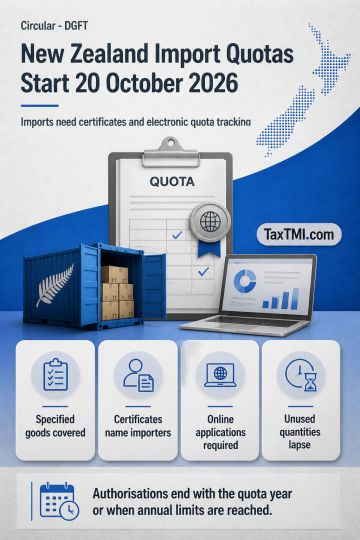
Tariff rate quota authorisations govern preferential imports of specified New Zealand goods through export certification and electronic customs debiti...
Electronic Continuity Bond Registration replaces manual container permissions, with quarterly reporting and re-export monitoring for duty-free contain...
ITAT allowed the appeal of the anonymized assessee engaged in wholesale and retail trade, directing full grant of TDS credit as reflected in Form 26AS for both assessment years in dispute. It held that restriction of TDS credit by the AO and its affirmation by the CIT(A) on the basis of turnover discrepancies, without properly accounting for sales returns and the mechanism of TDS deduction under s.194O, was unsustainable. ITAT found that TDS had been correctly deducted by e-commerce operators on gross sales and that the assessee's turnover, after considering sales returns, reconciled with Form 26AS. Consequently, the order of the CIT(A) was set aside and the AO was mandated to allow complete TDS credit.
ITAT allowed the appeal of the anonymized assessee engaged in wholesale and retail trade, directing full grant of TDS credit as reflected in Form 26AS for both assessment years in dispute. It held that restriction of TDS credit by the AO and its affirmation by the CIT(A) on the basis of turnover discrepancies, without properly accounting for sales returns and the mechanism of TDS deduction under s.194O, was unsustainable. ITAT found that TDS had been correctly deducted by e-commerce operators on gross sales and that the assessee's turnover, after considering sales returns, reconciled with Form 26AS. Consequently, the order of the CIT(A) was set aside and the AO was mandated to allow complete TDS credit.
Note: It is a system-generated summary and is for quick reference only.
 TaxTMI
 TaxTMI

 of 4921