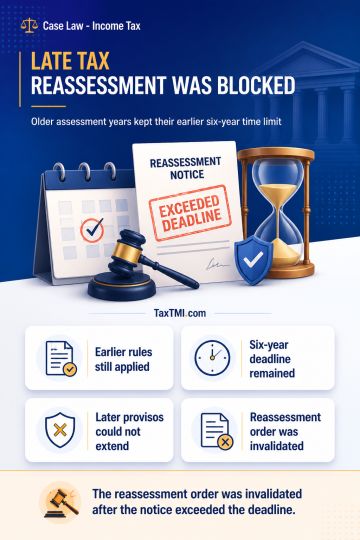
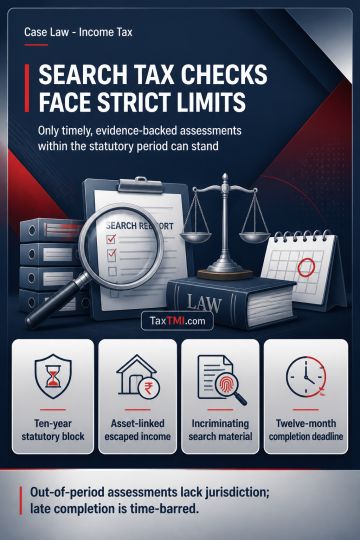
Pre-amendment reassessment limitation bars late notices under the preserved regime, invalidating consequential reassessment for affected earlier asses...
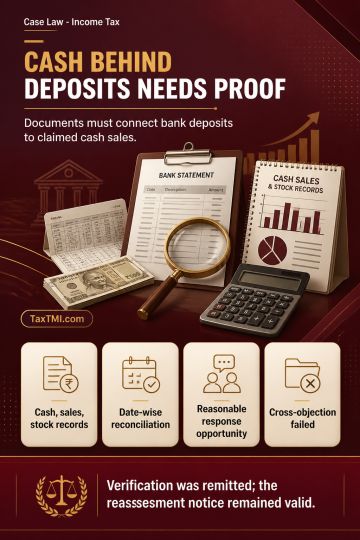
Cash-sales explanations for bank deposits require documentary reconciliation; reassessment notice survived where effective response time was available...
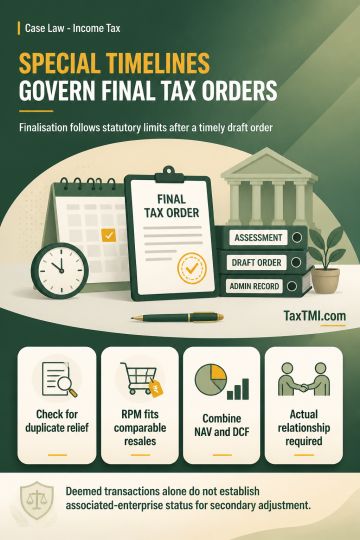
Functional comparability in transfer pricing prevents ad hoc arm's length adjustments where functions, assets, risks and reliable comparables are unes...
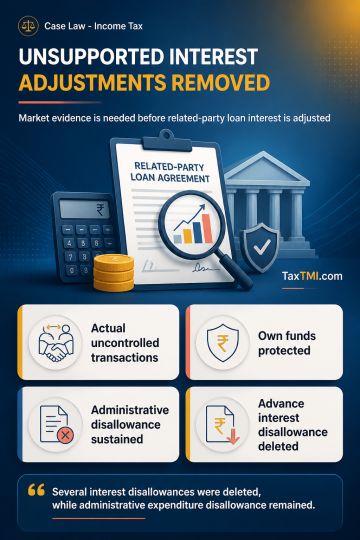
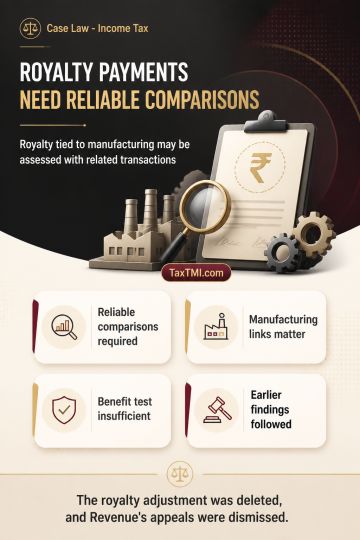
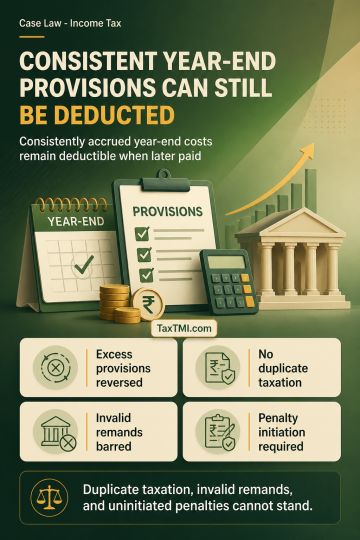
Contingency expenses, exempt-income disallowance, and royalty benchmarking: unsupported adjustments were deleted under consistent accounting and trans...
CESTAT examined penalties imposed on the appellants, acting as high sea sellers and job workers, under s.112(b) of the Customs Act, 1962 for allegedly colluding with the importer to evade duty and wrongfully claim exemption on imported LCC paper rolls. The Tribunal held that penalty under s.112(b) requires clear proof of mens rea, i.e., that the person "knew or had reason to believe" the goods were liable to confiscation under s.111. The Dept. failed to adduce any evidence that the appellants had knowledge of, or participated in, the importer's fraud. Job-work documents were not found defective. CESTAT therefore set aside the penalties and allowed the appeals.
CESTAT examined penalties imposed on the appellants, acting as high sea sellers and job workers, under s.112(b) of the Customs Act, 1962 for allegedly colluding with the importer to evade duty and wrongfully claim exemption on imported LCC paper rolls. The Tribunal held that penalty under s.112(b) requires clear proof of mens rea, i.e., that the person "knew or had reason to believe" the goods were liable to confiscation under s.111. The Dept. failed to adduce any evidence that the appellants had knowledge of, or participated in, the importer's fraud. Job-work documents were not found defective. CESTAT therefore set aside the penalties and allowed the appeals.
Note: It is a system-generated summary and is for quick reference only.
 TaxTMI
 TaxTMI

 of 4918