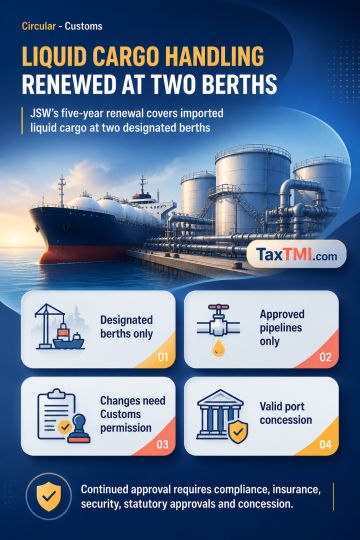
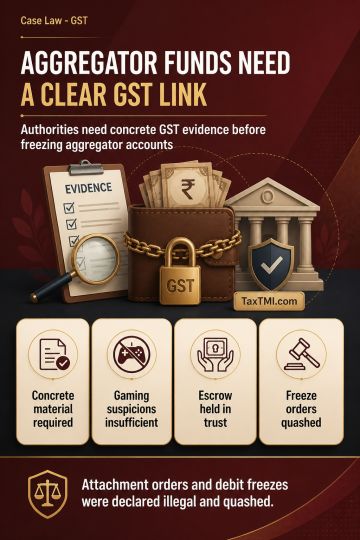
Electronic evidence and search statements in tax assessments require authenticity review and corroboration, while procedural manuals lack statutory fo...
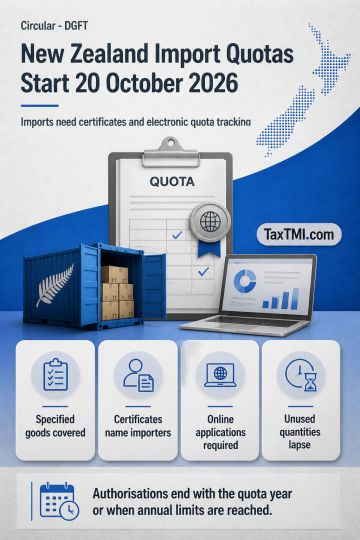
Tariff rate quota authorisations govern preferential imports of specified New Zealand goods through export certification and electronic customs debiti...
Electronic Continuity Bond Registration replaces manual container permissions, with quarterly reporting and re-export monitoring for duty-free contain...
CESTAT allowed the appeals and set aside the impugned order denying refund of unutilized CENVAT credit under Rule 5 of the CENVAT Credit Rules, 2004. The Tribunal held that the services rendered by the appellant to an overseas recipient do not qualify as "intermediary services" under Rule 2(f) of the Place of Provision of Services Rules, 2012, as there is no involvement of three parties, no distinct main and ancillary supplies, and no principal-agent relationship. Applying Rule 3 of the POPS Rules and Rule 6A of the Service Tax Rules, 1994, CESTAT held that the services are exports, and therefore eligible for refund. The original orders sanctioning the refund were restored, and the Revenue's denial was declared unsustainable in law.
CESTAT allowed the appeals and set aside the impugned order denying refund of unutilized CENVAT credit under Rule 5 of the CENVAT Credit Rules, 2004. The Tribunal held that the services rendered by the appellant to an overseas recipient do not qualify as "intermediary services" under Rule 2(f) of the Place of Provision of Services Rules, 2012, as there is no involvement of three parties, no distinct main and ancillary supplies, and no principal-agent relationship. Applying Rule 3 of the POPS Rules and Rule 6A of the Service Tax Rules, 1994, CESTAT held that the services are exports, and therefore eligible for refund. The original orders sanctioning the refund were restored, and the Revenue's denial was declared unsustainable in law.
Note: It is a system-generated summary and is for quick reference only.
 TaxTMI
 TaxTMI

 of 4921