Human-probability test defeats political donation deductions where banking records mask accommodation-entry fund layering rather than genuine contribu...
Electronic evidence and search statements in tax assessments require authenticity review and corroboration, while procedural manuals lack statutory fo...
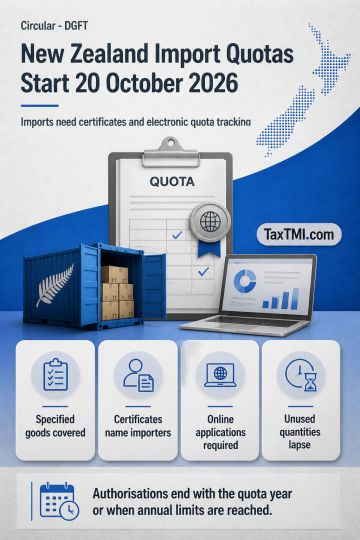
Tariff rate quota authorisations govern preferential imports of specified New Zealand goods through export certification and electronic customs debiti...
Electronic Continuity Bond Registration replaces manual container permissions, with quarterly reporting and re-export monitoring for duty-free contain...
CESTAT allowed the appeal of the Appellant-Company and set aside the impugned order confirming duty demand for alleged clandestine removal of sponge iron. It held that proceedings were vitiated as they were founded solely on statements recorded under s.14 of the Central Excise Act, 1944, without compliance with the mandatory procedure under s.9D, rendering such statements devoid of evidentiary value. Further, computer printouts seized from a third party, lacking certification as mandated under the Evidence Act and s.36B of the Central Excise Act, were held inadmissible. CESTAT also noted the complete absence of corroborative evidence such as stock discrepancy, transport documents, or statements of vehicle owners/drivers. Consequently, the demand, interest, and penalties were held unsustainable in law.
CESTAT allowed the appeal of the Appellant-Company and set aside the impugned order confirming duty demand for alleged clandestine removal of sponge iron. It held that proceedings were vitiated as they were founded solely on statements recorded under s.14 of the Central Excise Act, 1944, without compliance with the mandatory procedure under s.9D, rendering such statements devoid of evidentiary value. Further, computer printouts seized from a third party, lacking certification as mandated under the Evidence Act and s.36B of the Central Excise Act, were held inadmissible. CESTAT also noted the complete absence of corroborative evidence such as stock discrepancy, transport documents, or statements of vehicle owners/drivers. Consequently, the demand, interest, and penalties were held unsustainable in law.
Note: It is a system-generated summary and is for quick reference only.
 TaxTMI
 TaxTMI

 of 4921