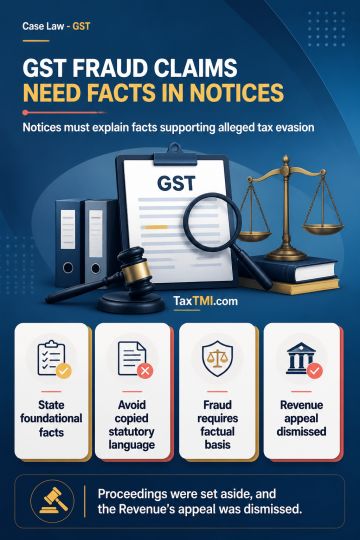
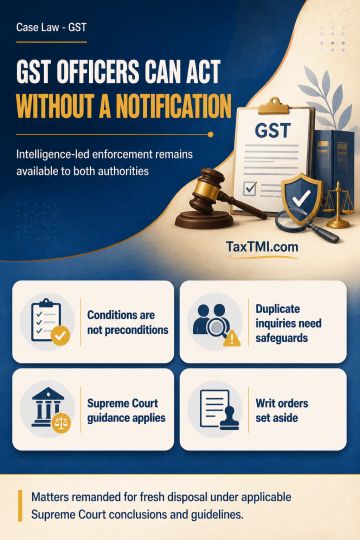
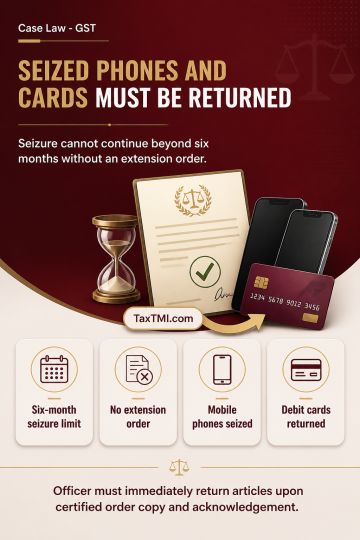
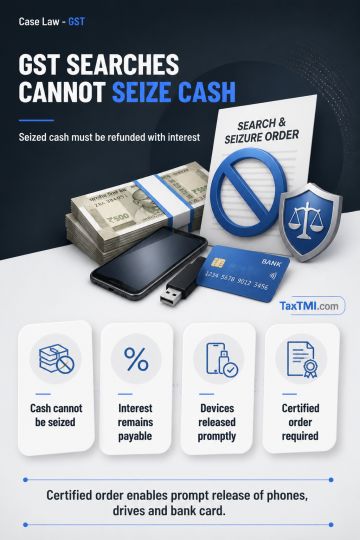
GST cross-empowerment remains effective without conditional notification, while duplicate proceedings require established safeguards against overlappi...
CESTAT allowed the appeal of M/s X against confirmation of anti-dumping duty, interest and penalty on import of injection moulding machines by invoking the extended limitation under s.28 of the Customs Act and penalty under s.114A. The Tribunal held that the statutory conditions for invoking s.114A and the extended period under s.28 are in pari materia and operate conjointly. Once the Commissioner (A) himself held that penalty under s.114A was not invocable, it necessarily followed that the requisite elements of fraud, suppression or wilful misstatement to trigger the extended period under s.28 were absent. Consequently, the extended limitation and resultant demand, interest and penalty were unsustainable, and the impugned order was set aside to that extent.
CESTAT allowed the appeal of M/s X against confirmation of anti-dumping duty, interest and penalty on import of injection moulding machines by invoking the extended limitation under s.28 of the Customs Act and penalty under s.114A. The Tribunal held that the statutory conditions for invoking s.114A and the extended period under s.28 are in pari materia and operate conjointly. Once the Commissioner (A) himself held that penalty under s.114A was not invocable, it necessarily followed that the requisite elements of fraud, suppression or wilful misstatement to trigger the extended period under s.28 were absent. Consequently, the extended limitation and resultant demand, interest and penalty were unsustainable, and the impugned order was set aside to that extent.
Note: It is a system-generated summary and is for quick reference only.
 TaxTMI
  TaxTMI
 of 4884