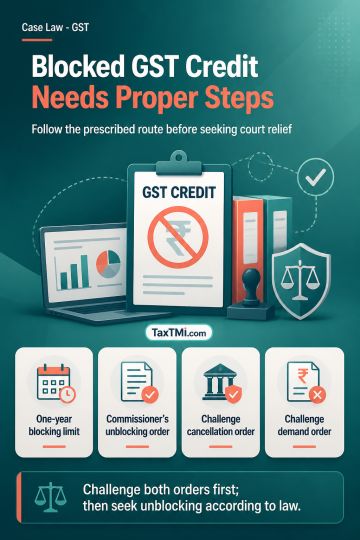
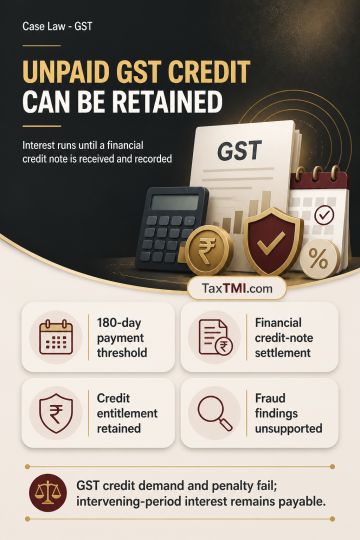
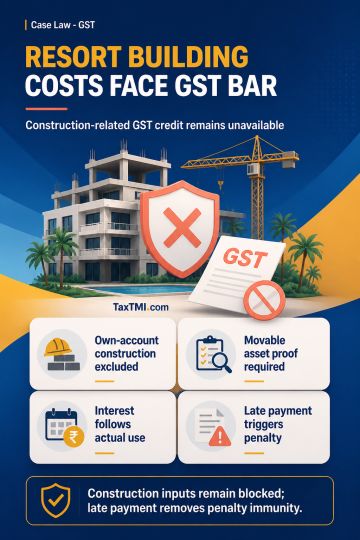
Blocked input tax credit for resort construction remains unavailable; interest follows actual utilisation, while delayed payment attracts statutory pe...
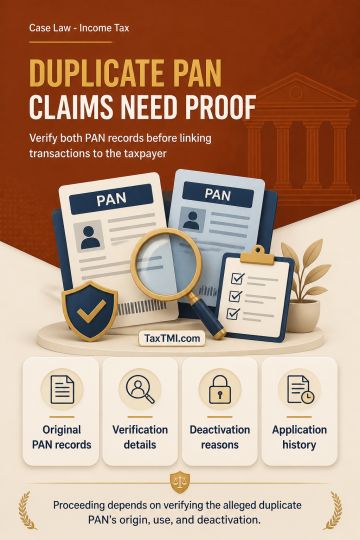
Duplicate PAN allocation requires record verification and deactivation reasons before assessment-related transactions can be attributed to an assessee...
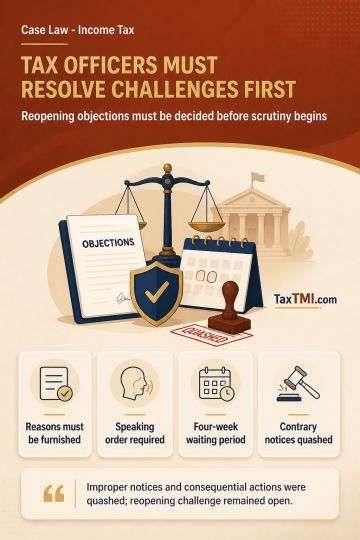
Faceless assessment safeguards require requested personal hearings and adequate final show-cause response time, failing which reassessment is required...
CESTAT held that export consignments comprising mixed Iron Ore fines and low-percentage lumps could not be classified as Iron Ore lumps for levy of higher export duty, as lumps were not the predominant component. The Tribunal further ruled that export duty and value must be determined on the basis of Fe content and moisture percentage ascertained at the discharge port in terms of the export contracts, and that the declared transaction value could not be rejected without strictly following the Customs Valuation Rules and affording the exporters due opportunity. However, CESTAT upheld denial of cum-duty benefit, holding FOB value as the transaction value for export duty from 01.01.2009. Departmental appeals were dismissed; exporters' appeals were allowed to the above extent.
CESTAT held that export consignments comprising mixed Iron Ore fines and low-percentage lumps could not be classified as Iron Ore lumps for levy of higher export duty, as lumps were not the predominant component. The Tribunal further ruled that export duty and value must be determined on the basis of Fe content and moisture percentage ascertained at the discharge port in terms of the export contracts, and that the declared transaction value could not be rejected without strictly following the Customs Valuation Rules and affording the exporters due opportunity. However, CESTAT upheld denial of cum-duty benefit, holding FOB value as the transaction value for export duty from 01.01.2009. Departmental appeals were dismissed; exporters' appeals were allowed to the above extent.
Note: It is a system-generated summary and is for quick reference only.
 TaxTMI
  TaxTMI
 of 4886