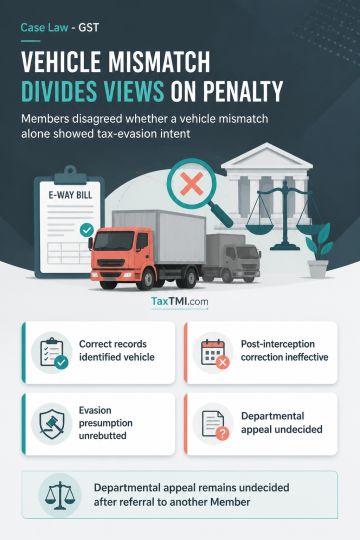
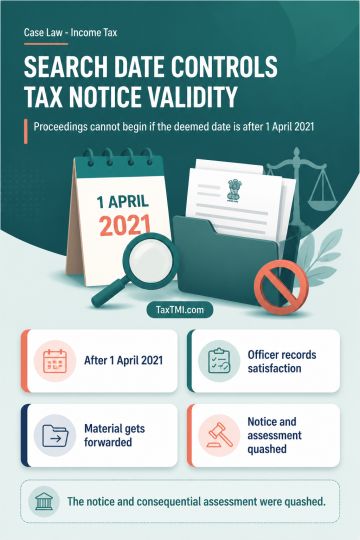
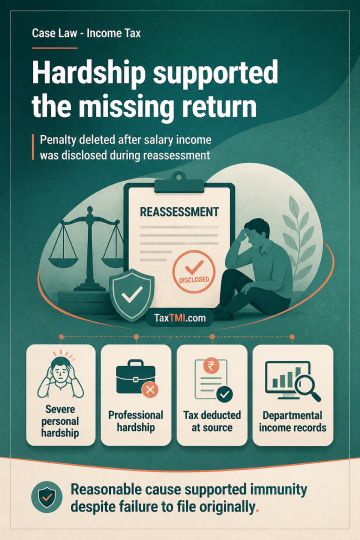
GST cross-empowerment remains effective without conditional notification, while duplicate proceedings require established safeguards against overlappi...
HC held that orders obtained through fraud in the company's liquidation proceedings are nullities and liable to be set aside notwithstanding the lapse of over 30 years, as fraud vitiates limitation and all judicial acts. The appointment and continued control of the Special Officer, who had undisclosed conflicting interests and surreptitiously became the largest creditor and shareholder, was found to be an abuse of process. HC concluded that, given the company's concealed assets, absence of claims from creditors or employees, and the principle that winding up is a last resort, the company should not continue in liquidation and its remaining/traced assets must enure to its benefit. All applications seeking to sustain the fraudulent arrangement, including the prayer to transfer the matter to NCLT, were rejected, and the proceedings were disposed of accordingly.
HC held that orders obtained through fraud in the company's liquidation proceedings are nullities and liable to be set aside notwithstanding the lapse of over 30 years, as fraud vitiates limitation and all judicial acts. The appointment and continued control of the Special Officer, who had undisclosed conflicting interests and surreptitiously became the largest creditor and shareholder, was found to be an abuse of process. HC concluded that, given the company's concealed assets, absence of claims from creditors or employees, and the principle that winding up is a last resort, the company should not continue in liquidation and its remaining/traced assets must enure to its benefit. All applications seeking to sustain the fraudulent arrangement, including the prayer to transfer the matter to NCLT, were rejected, and the proceedings were disposed of accordingly.
Note: It is a system-generated summary and is for quick reference only.
 TaxTMI
  TaxTMI
 of 4884