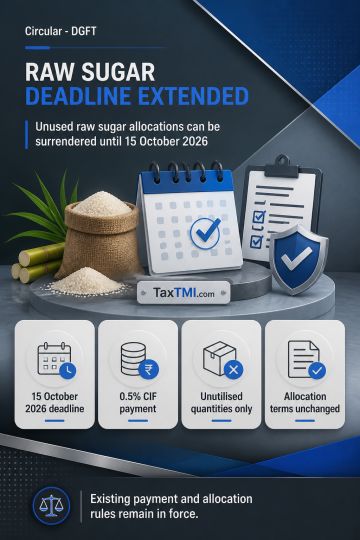
Customs-controlled cargo movement now includes GDL, subject to EXIM prioritisation, segregation, verification, reconciliation and enforcement safeguar...
AT set aside SEBI's order holding the appellant guilty of insider trading in the shares of GGL. It held that the alleged "high probability of detection of fraud" on retirement of a PNB officer did not constitute UPSI under the PIT Regulations, as mere probability of future detection is neither concrete nor credible information. AT further held that the appellant's limited business dealings and minority shareholding did not render him a "connected person" or "insider", there being no reasonable expectation of access to UPSI and no evidence of communication of UPSI from Noticee No.1. Trading was found consistent with market behaviour and price movements, not guided by UPSI. Consequently, allegations of violation of Sections 12A(d), 12A(e) of the SEBI Act and Regulation 4(1) of the PIT Regulations failed and the appeal was allowed.
AT set aside SEBI's order holding the appellant guilty of insider trading in the shares of GGL. It held that the alleged "high probability of detection of fraud" on retirement of a PNB officer did not constitute UPSI under the PIT Regulations, as mere probability of future detection is neither concrete nor credible information. AT further held that the appellant's limited business dealings and minority shareholding did not render him a "connected person" or "insider", there being no reasonable expectation of access to UPSI and no evidence of communication of UPSI from Noticee No.1. Trading was found consistent with market behaviour and price movements, not guided by UPSI. Consequently, allegations of violation of Sections 12A(d), 12A(e) of the SEBI Act and Regulation 4(1) of the PIT Regulations failed and the appeal was allowed.
Note: It is a system-generated summary and is for quick reference only.
 TaxTMI
  TaxTMI
 of 4881