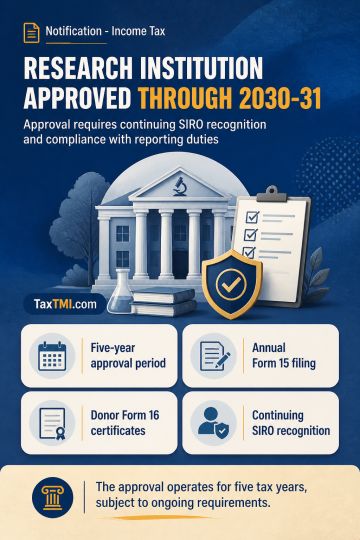
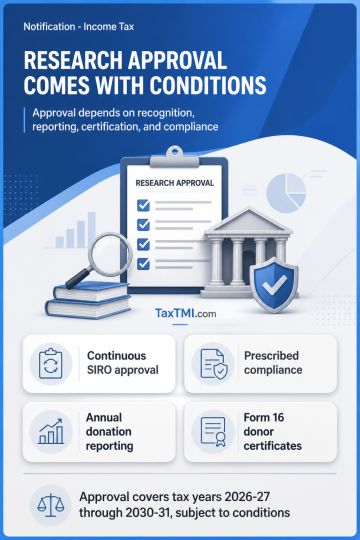
Scientific research institution approval is conditional on SIRO recognition, annual donation reporting, donor certification, and prescribed compliance...
HC upheld the deletion of addition u/s 69 made on the basis of a notarized agreement recovered during survey proceedings. The AO/DDIT had relied solely on the agreement, without issuing summons to the third party or conducting independent investigation to verify its contents or to establish any actual flow of funds. CIT(A) and the Tribunal found that the assessee had, prior to the survey, lodged complaints before the PMO and Home Ministry alleging coercion in signing the agreement, reinforcing the claim that the document was not voluntary. In absence of corroborative evidence such as bank transactions or other material linking the assessee to unexplained investment, the addition was held unsustainable. HC concluded that the concurrent findings of CIT(A) and Tribunal were factual and reasonable, and that no substantial question of law arose, thereby dismissing the revenue's appeal.
HC upheld the deletion of addition u/s 69 made on the basis of a notarized agreement recovered during survey proceedings. The AO/DDIT had relied solely on the agreement, without issuing summons to the third party or conducting independent investigation to verify its contents or to establish any actual flow of funds. CIT(A) and the Tribunal found that the assessee had, prior to the survey, lodged complaints before the PMO and Home Ministry alleging coercion in signing the agreement, reinforcing the claim that the document was not voluntary. In absence of corroborative evidence such as bank transactions or other material linking the assessee to unexplained investment, the addition was held unsustainable. HC concluded that the concurrent findings of CIT(A) and Tribunal were factual and reasonable, and that no substantial question of law arose, thereby dismissing the revenue's appeal.
Note: It is a system-generated summary and is for quick reference only.
 TaxTMI
  TaxTMI
 of 4888