Mandatory textile export qualifiers distinguish flame-retardant fabrics from other listed fabrics for automated identification under the textiles ince...
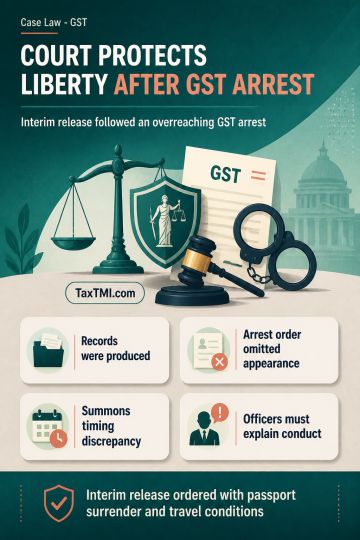
Personal liberty safeguards restrict arrest after court-directed GST appearance, requiring interim release where authorities overreach pending proceed...
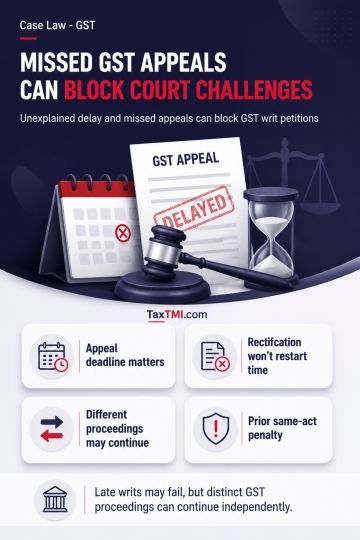
Alternative statutory remedy and delay bar GST writ challenges despite pending rectification, while distinct subject matter permits parallel proceedin...
The ITAT dismissed the appeal of the assessee, upholding the order of the CIT(A) treating the severance compensation as taxable "profits in lieu of salary" under s.17(3) of the Income-tax Act. It was conclusively found that the payment by the employer was neither voluntary nor gratuitous, but directly linked to services rendered prior to cessation of employment. No evidence was produced to establish that the amount was compensatory for loss of employment in the capital field or in the nature of a capital receipt. In view of the specific statutory inclusion under s.17(3)(iii) and the absence of any contrary material, the ITAT held that the severance pay constituted taxable income under the head "Salaries." All grounds raised by the assessee were rejected and the addition was sustained.
The ITAT dismissed the appeal of the assessee, upholding the order of the CIT(A) treating the severance compensation as taxable "profits in lieu of salary" under s.17(3) of the Income-tax Act. It was conclusively found that the payment by the employer was neither voluntary nor gratuitous, but directly linked to services rendered prior to cessation of employment. No evidence was produced to establish that the amount was compensatory for loss of employment in the capital field or in the nature of a capital receipt. In view of the specific statutory inclusion under s.17(3)(iii) and the absence of any contrary material, the ITAT held that the severance pay constituted taxable income under the head "Salaries." All grounds raised by the assessee were rejected and the addition was sustained.
Note: It is a system-generated summary and is for quick reference only.
 TaxTMI
  TaxTMI
 of 4881