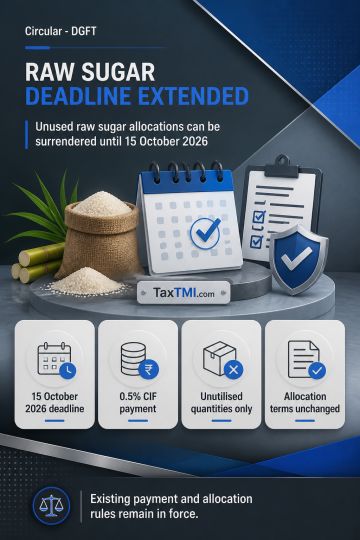
Customs-controlled cargo movement now includes GDL, subject to EXIM prioritisation, segregation, verification, reconciliation and enforcement safeguar...
ITAT held that interest income from deposits and investments with co-operative banks qualifies for deduction under s.80P(2)(d), as co-operative banks are, in substance, co-operative societies. Following consistent judicial precedent, ITAT ruled the assessee is legally entitled to claim such deduction. However, since necessary documentary details were not produced before the lower authorities, ITAT did not grant the deduction outright. Instead, ITAT remanded the matter to the Jurisdictional Assessing Officer to examine the evidentiary details to be furnished by the assessee, after affording adequate opportunity of hearing, and directed that, if the factual claim is found correct, the deduction under s.80P(2)(d) shall be allowed accordingly.
ITAT held that interest income from deposits and investments with co-operative banks qualifies for deduction under s.80P(2)(d), as co-operative banks are, in substance, co-operative societies. Following consistent judicial precedent, ITAT ruled the assessee is legally entitled to claim such deduction. However, since necessary documentary details were not produced before the lower authorities, ITAT did not grant the deduction outright. Instead, ITAT remanded the matter to the Jurisdictional Assessing Officer to examine the evidentiary details to be furnished by the assessee, after affording adequate opportunity of hearing, and directed that, if the factual claim is found correct, the deduction under s.80P(2)(d) shall be allowed accordingly.
Note: It is a system-generated summary and is for quick reference only.
 TaxTMI
  TaxTMI
 of 4881